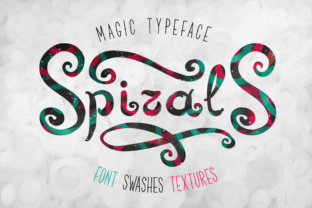
Spirals: A Decorative Font with Swashes and Textured Style
Typography is often the silent storyteller of any design. It sets mood, conveys personality, and can elevate an ordinary project into something memorable. Among the vast landscape of typefaces, few manage to blend ornamentation with readability as gracefully as Spirals. This decorative font doesn't just sit on the page—it moves, swirls, and adds a layer of tactile richness that feels both handcrafted and intentional. Whether you are a seasoned designer, a small business owner crafting your brand identity, or someone who simply appreciates beautiful lettering, Spirals offers something distinct. This article explores what makes this font special, where it shines, and how to decide if it fits your next creative endeavor.
Understanding Spirals: More Than Just Decorative Lettering
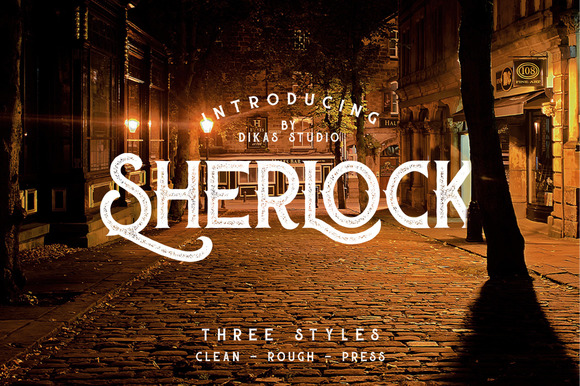
At its core, Spirals is a decorative display typeface characterized by elaborate swashes, fluid curves, and a variety of stylish textures. Unlike minimalist fonts that prioritize uniformity and restraint, Spirals embraces complexity. Each character often features extended flourishes that mimic the organic motion of vines, ribbons, or handwritten calligraphy. The texture variations built into the font add depth—some glyphs may appear distressed, others smooth, and still others carry a subtle grain that mimics ink on handmade paper.
What truly sets Spirals apart is its versatility within the decorative category. Many ornamental fonts are one-note: they look beautiful in a wedding invitation but fall apart in a logo or headline. Spirals, however, offers multiple stylistic alternates and ligatures, allowing you to mix smooth and textured swashes within the same word. This gives designers granular control over how polished or rustic the final output appears. The font typically includes uppercase and lowercase characters, numerals, punctuation, and extended swash variants, making it more functional than many script or decorative alternatives.
The Purpose and Value of Ornamental Typography
Why choose a decorative font like Spirals over a clean sans-serif? The answer lies in emotional resonance. Decorative typefaces are not meant for body text—they are meant for moments that demand attention. When you use Spirals, you are signaling that the content matters, that it carries tradition, elegance, or artistic flair. This font excels at creating a visual anchor. A single word set in Spirals can become the centerpiece of a page, drawing the eye and establishing hierarchy without needing additional graphics.
The value extends beyond aesthetics. For brands in industries like weddings, luxury goods, creative services, or artisanal products, Spirals communicates a sense of bespoke craftsmanship. It suggests that attention was paid to every detail. In a digital world dominated by generic templates, using a textured, swash-heavy font like Spirals helps a project stand out as authentic and thoughtfully designed.
Key Features and Characteristics of Spirals
To fully appreciate what Spirals brings to the table, it helps to break down its core characteristics. Understanding these will also help you decide when and where to deploy it effectively.
- Elaborate Swashes: The most immediately noticeable feature. Ascenders and descenders often extend into sweeping curves that can wrap around neighboring text or decorative elements. Some swashes are subtle; others are dramatic and fill empty space beautifully.
- Multiple Texture Options: Unlike standard fonts that render uniformly, Spirals includes glyphs with different surface treatments. You may find smooth versions for clean digital use, along with textured variants that mimic letterpress, ink bleed, or weathered paper. This allows for creative mixing within a single design.
- Stylistic Alternates: Many characters have alternate forms. For example, the letter "e" might appear in a standard looped version or an open, flowing variant. These alternates let you customize the look of repeated letters to avoid monotony.
- Ligatures and Contextual Alternatives: Certain letter pairs automatically connect in graceful ways. This is especially useful in headlines or logos where you want smooth, continuous flow between characters.
- High Contrast Stroke Weight: Like many calligraphy-inspired fonts, Spirals features thick and thin transitions. This adds rhythm and visual interest, though it also means the font works best at larger sizes.
- Decorative Motifs: Some versions of Spirals include standalone flourishes, dividers, and ornamental elements that are not letters but can be used as borders or accents.
Who Benefits Most from Using Spirals
While nearly anyone can appreciate a beautiful font, certain groups will find Spirals particularly useful for their specific needs.
Graphic designers and branding professionals will appreciate the control offered by stylistic alternates and ligatures. The ability to fine-tune a wordmark or headline without resorting to manual vector editing saves time while delivering a polished result. For designers working on vintage or rustic branding, the texture options are especially valuable. They add a tactile quality that photographs well and translates to print without needing expensive finishing techniques.
Small business owners and entrepreneurs in creative fields—such as bakeries, floral studios, wedding planning, calligraphy services, or boutique retail—can use Spirals to build a cohesive visual identity. A logo set in this font immediately communicates artistry and personal attention. It pairs well with neutral color palettes, natural textures like linen or wood grain, and minimalist layouts where the font becomes the hero.
Event planners and invitation designers are another natural audience. Spirals excels on save-the-date cards, ceremony programs, and reception signage. Its swashes can frame text elegantly, and the textured variants give printed materials a tangible, handcrafted feel that guests notice and remember.
Content creators and online marketers can also benefit, though more selectively. Using Spirals for YouTube thumbnail titles, Instagram quote graphics, or landing page headers can help differentiate content from competitors who rely on standard web fonts. The key is using it sparingly—as an accent rather than the main voice.
Real-World Applications and Scenarios
Seeing Spirals in action makes its potential clearer. Let's walk through a few realistic scenarios where this font would be an excellent choice.
Scenario 1: A Wedding Invitation Suite
A couple wants their invitations to feel romantic, timeless, and slightly rustic. The designer chooses Spirals for the couple's names in the headline, using the smooth swash variant to keep the text legible. For secondary details like "ceremony" and "reception," a lighter weight or simpler sans-serif companion font is used. The texture variant of Spirals appears on the envelope liner as a repeating monogram motif. The result is cohesive, elegant, and distinctly handcrafted.
Scenario 2: A Brand Logo for an Artisan Soap Company
The business name is "Willow & Sage." Using Spirals, the designer sets "Willow" in a smooth swash style and "Sage" in a slightly textured variant to suggest natural ingredients. The "&" is replaced with a small decorative flourish from the font's motif set. The final logo feels organic, earthy, and premium. It works beautifully on labels, packaging, and social media headers.
Scenario 3: A Blog or Magazine Header
A lifestyle blogger wants a memorable header for their site. They use Spirals for the blog title in a large, smooth style with subtle texture. The swashes extend slightly into the margin, creating a signature look. Below the header, body text is set in a clean serif, keeping readability high. The contrast between the ornate title and simple body text creates visual interest without overwhelming the reader.
Strengths, Considerations, and Practical Limitations
No font is perfect for every situation, and Spirals has both distinct strengths and important limitations to keep in mind.
Strengths:
- Distinctive personality: It immediately sets a tone of elegance, craftsmanship, and artistry.
- Built-in variety: Multiple textures and alternates reduce the need for additional graphic elements.
- Print-friendly: The high contrast and decorative details translate well to special printing techniques like foil stamping, embossing, or letterpress.
- Memorable: Projects using Spirals tend to stick in viewers' minds because the typography is unusual and expressive.
Considerations and Limitations:
- Readability at small sizes: Because of the intricate swashes and stroke contrast, Spirals becomes difficult to read below 18–24 points. Avoid using it for body text, captions, or small print.
- Not ideal for long paragraphs: The ornamental nature makes sustained reading tiring. Reserve it for short headlines, logos, and accent text.
- Licensing and availability: Some versions of Spirals may require a commercial license for branding or merchandise. Always check the license terms, especially if you are using it for client work or products for sale.
- Pairing difficulty: The ornate style can clash with other decorative fonts. It pairs best with simple, neutral typefaces—think clean sans-serifs or understated serifs.
- Screen rendering: On lower-resolution screens, the fine swashes may appear fuzzy or broken. Test the font on actual devices if digital use is primary.
Evaluating Suitability for Your Project
Before committing to Spirals, ask yourself a few practical questions. First, what is the primary medium? If your project is primarily digital and viewed on mobile devices, consider using the font only for large headers and test its legibility on actual phones and tablets. If print is the main focus, Spirals will likely perform beautifully, especially with high-quality printing methods.
Second, what is the brand or project personality? If you need to convey modernity, minimalism, or cold precision, Spirals will feel mismatched. But if warmth, tradition, artistry, or romance are part of the message, this font supports that narrative naturally.
Third, how much control do you need over typography? Spirals rewards users who are comfortable exploring stylistic alternates and ligatures. If you are working in software that supports OpenType features (like Adobe Illustrator, InDesign, or Affinity Publisher), you will get the most out of the font. Basic word processors may only show the default characters, limiting the ornamental potential.
Finally, consider your audience. Will they appreciate the decorative flourishes, or might they find them distracting? In contexts like formal invitations or artistic branding, the swashes are a feature, not a flaw. In more corporate or utilitarian settings, they could undermine professionalism. Knowing your audience's expectations helps you deploy Spirals where it adds value rather than noise.
Practical Expectations When Using Spirals
When you start working with Spirals, expect to spend some time experimenting. Not every swash will work in every context. You may need to adjust tracking (letter spacing) to prevent swashes from colliding with neighboring words. Some characters may need manual kerning, especially if you are combining smooth and textured variants in the same word.
It is also wise to test the font in black and white before adding color. The contrast and texture are strong enough that color can sometimes overwhelm the detail. A monochrome test helps you see the structure clearly. Once you are satisfied, adding a subtle color accent—like a metallic gold or deep burgundy—can elevate the design further.
Finally, remember that less is often more. Using Spirals for an entire page of text will likely look chaotic. But using it for a single word, a two-line headline, or a set of initials can create a stunning focal point. Let the font breathe by surrounding it with white space and simple companion elements.
Conclusion: The Lasting Appeal of Spirals
Spirals is more than a decorative font—it is a tool for storytelling through letterforms. With its flowing swashes, multiple textures, and thoughtful alternates, it offers designers and creators a way to infuse projects with elegance, warmth, and a sense of handmade care. While it demands careful use and is best suited for display purposes, the visual impact it delivers is well worth the consideration.
Whether you are designing a wedding suite, crafting a brand identity for a creative business, or building a memorable header for your next project, Spirals provides the ornamental richness that turns simple text into something truly special. Take the time to explore its variants, pair it with restraint, and let its spiraling beauty speak for itself.