Zackers: A Brush Display Font with Grit and Style
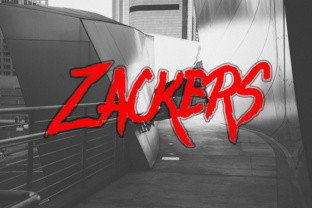
If you have ever searched for a typeface that carries raw energy and a cinematic edge, Zackers deserves a close look. This is not a quiet, refined serif font meant for body text. It is a brush stroke display font with horror-film DNA, built to command attention. Whether you are designing a movie poster, a band logo, or a bold social media graphic, Zackers brings an unpolished intensity that feels both handcrafted and deliberately rough. It is the kind of typeface that does not blend in — it marks its territory.
The Visual Character of Zackers
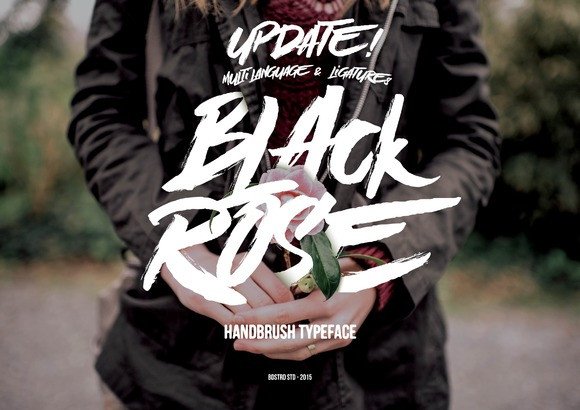
Zackers belongs to the family of handwritten fonts, but it swerves away from the friendly, casual brush scripts you see everywhere. Its strokes are uneven, textured, and splattered with the kind of grit you might expect from a cult horror film title sequence. The letterforms carry a distressed, almost urgent quality. Ascenders and descenders are exaggerated, giving headlines a jagged, dynamic silhouette. The ink-like texture in each character suggests a physical brush hitting paper with force. This is not digital perfection — it is deliberate imperfection, and that is where the appeal lies.
Compared to a clean sans serif font, Zackers feels alive. It breathes unpredictability. The weight shifts within strokes, creating a sense of motion. If you are working on a project that needs to evoke tension, rebellion, or vintage horror aesthetics, this typeface delivers that mood instantly. It is a creative font that does not try to please everyone — and that makes it valuable for designers and brands that want to stand out.
Where Zackers Excels Across Projects
Because Zackers is a display font, it is not designed for long paragraphs. Its strength is in short, impactful text. Here are some of the most effective uses I have seen and recommend:
Logo Design and Brand Identity
For a brand that wants to communicate rawness — think tattoo parlors, horror-themed events, indie music labels, or streetwear lines — Zackers can form the backbone of a memorable logo. The irregular brush strokes add a handmade feel that separates a brand from cookie-cutter corporate identities. When paired with a simpler serif font or a clean sans serif font for secondary text, Zackers creates contrast that helps the logo stand out on merchandise, web design, and packaging design.
Editorial and Publishing
Magazine covers, article headers, and book titles in the horror, thriller, or alternative genres benefit from Zackers’ personality. I have seen it used effectively on horror fiction covers where the title needs to feel visceral. The texture in the letterforms adds depth that a standard commercial font cannot replicate. In editorial design, it works best as a headline treatment, especially when layered over dark or textured backgrounds. Keep the supporting text in a neutral serif font to maintain readability while preserving the dramatic feel.
Packaging Design and Print
Packaging for limited edition products, craft beverages, or artisanal goods can leverage Zackers to signal authenticity. A brush script font like this suggests handcrafted quality. On labels, stickers, or posters, it grabs attention from a distance. The grit in the strokes holds up well in print, especially on uncoated paper or materials that absorb ink. For print projects, ensure the font size is large enough — below 24 points, the texture might overwhelm the letterforms, reducing legibility.
Digital and Social Media Graphics
In web design and social media graphics, Zackers acts as a quick attention hook. Use it for hero section headlines, promotional banners, or Instagram story titles. Its aggressive style cuts through the noise of polished, generic fonts. However, on screens, test it at different sizes. Smaller screens may lose some of the brush detail, so keep the font size generous. Pairing Zackers with a simple, readable sans serif font for body text maintains visual hierarchy without competing for attention.
How Zackers Shapes Readability, Hierarchy, and Brand Perception
Readability with a display font like Zackers is not about clarity at small sizes — it is about impact at the right scale. When used properly, it establishes an immediate visual hierarchy. A headline set in Zackers pulls the eye first, before any other element on the page. This creates a natural entry point for the audience, guiding them from the bold statement to supporting content.
From a brand perception standpoint, choosing a font like Zackers signals confidence. It says the brand is not afraid of texture, imperfection, or a little edge. Brands that pair this typeface with consistent design assets — matching color palettes, rough textures, and minimal layouts — build recognition quickly. The font itself becomes a recognizable part of the brand identity. Over time, audiences associate that gritty brush style with the brand’s voice, making marketing efforts more cohesive and memorable.
But there is a balance. Overusing Zackers across every touchpoint can dilute its impact. Reserve it for moments that matter: main headlines, key calls to action, or signature branding elements. For consistency, apply it at the same scale and with the same color treatment across materials. This discipline reinforces professionalism even when the font itself feels wild.
Practical Guidance for Choosing and Using Zackers
Before you commit to using Zackers, evaluate your project’s tone. Ask yourself: does the message benefit from a gritty, horror-tinged voice? If you are designing for a children’s book or a corporate annual report, this is likely the wrong fit. But for Halloween promotions, alternative music events, or any project needing bold character, Zackers can be the perfect choice.
Testing Font Pairings
Zackers pairs well with clean, neutral fonts. A classic serif font like Playfair Display or a simple sans serif font like Open Sans can ground its intensity. The contrast between Zackers’ rough brush strokes and a smooth, geometric typeface creates a balanced layout. For a more modern feel, try it with a condensed sans serif font in all caps for subheadings. Avoid pairing it with another busy handwritten font — that often looks chaotic. Test combinations on a few mockups before finalizing.
Reviewing Included Styles and Licensing
If you are purchasing Zackers as a premium font, check what is included. Some versions offer multiple weights or alternate characters, which give you flexibility. Pay attention to the commercial font license — if you are using it for brand identity, packaging design, or web design, make sure the license covers those uses. Many premium fonts include standard desktop licensing, but web embedding or app use may require additional clearance. Read the terms carefully to avoid issues later.
Readability Considerations
Because Zackers is a display font, readability drops at smaller sizes. For body text or captions, switch to a more legible typeface. The threshold is usually around 24 to 30 points for print and 36 pixels for screens. On textured backgrounds, increase the font size slightly or add a subtle outline to improve contrast. Test the font on the actual medium you plan to use — what looks clear on a screen might blur in print, especially with the brush detail.
Evaluating Project Fit
Before purchasing, download any available trial or demo version if the designer offers one. Apply Zackers to a few mockups that resemble your real project. See how it feels with your imagery, color palette, and other design assets. Does it elevate the message or distract from it? Does it fit your brand identity or clash with it? A typeface that requires constant tweaking to work might not be the best investment. Zackers works best when you let it be itself — bold, rough, and unapologetic.
Zackers is more than a font — it is a design tool that injects personality and tension into your work. Whether you are a designer crafting a brand identity, a marketer building a campaign, or a small business owner making your first logo, this typeface offers a way to stand out without relying on trends. Used intentionally, it becomes a memorable part of your visual language. Explore it, pair it thoughtfully, and let the grit do the work.