Evergreen Font: Hand-Drawn Vintage Inspired Typeface
Typography has a way of shaping how we perceive a brand, a message, or even a mood. Among the many typefaces available today, few manage to balance raw craftsmanship with practical usability the way Evergreen does. This font is not just another digital asset—it is a deliberate, hand-drawn creation rooted in the visual language of vintage signage and a deep passion for the natural world. For designers, marketers, entrepreneurs, and educators alike, understanding what sets Evergreen apart can open up new possibilities for how you communicate visually.
What makes Evergreen genuinely distinctive is its origin story. Every character was drawn entirely by hand before being scanned and vectored. That might sound like a small detail, but in a world where most fonts are polished into sterile perfection, this process leaves behind something rare: natural edges and perfect imperfections. The original pencil or ink strokes are preserved as faithfully as possible, giving the typeface a tactile, personal quality that feels more like a letterpress print or a hand-painted storefront sign than a mass-produced digital file.
What Makes Evergreen Different
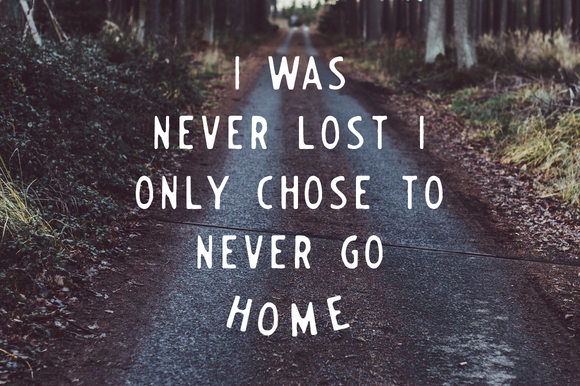
At first glance, Evergreen reads as bold, sturdy, and rooted—much like the trees it evokes. But the details reward closer inspection. The font is designed entirely in uppercase by default, which gives it a strong, commanding presence. However, the lowercase letters are not missing; they have been replaced with a thinner, lighter version of the uppercase forms. This is a deliberate design choice. It means you can use the lowercase set for secondary text, labels, or subtle accents while keeping your headlines and primary messaging in full caps. The result is a built-in hierarchy that saves you time and effort during layout.
The preservation of hand-drawn edges means no two letters feel like they came off an assembly line. Slight wavers in curves, uneven serifs, and tiny variations in stroke weight all contribute to a warmth that standard digital fonts lack. This is not a font that tries to hide its human origins. Instead, it celebrates them. If you are looking for a typeface that feels approachable, honest, and grounded, Evergreen offers a welcome alternative to the cold precision of many modern sans-serifs.
Inspired by Vintage Signs, Built for Modern Use
The inspiration behind Evergreen comes from vintage signage—those hand-painted shop fronts, rustic roadside markers, and forest-service trail signs that have weathered decades of sun and rain. That aesthetic carries a sense of history and authenticity. When you use Evergreen in a design, you borrow some of that legacy. It works well for projects that need to communicate durability, tradition, or a connection to the outdoors. But do not mistake vintage inspiration for being outdated. The font has been carefully digitized to function smoothly across modern platforms, from print layouts to responsive web designs.
The character set includes numerals and basic punctuation, which means you can use it for everything from headlines and logos to product labels and price tags. The all-caps default combined with the lighter lowercase substitution gives you flexible typographic control without needing to switch between multiple fonts.
Practical Applications Across Different Environments
One of the strongest arguments for choosing Evergreen is its versatility. Because it carries a distinct personality without being overly decorative, it adapts well to a range of contexts. Here are some of the most effective ways to put it to use.
Branding and Logo Design
For small business owners, freelancers, and entrepreneurs, Evergreen can serve as a memorable brand typeface. Its hand-drawn quality suggests craftsmanship and care—values that resonate with customers looking for authentic products and services. A coffee shop, a woodworking studio, a hiking gear company, or a craft brewery could all benefit from the font’s rugged yet friendly character. The built-in weight contrast between uppercase and lowercase variants allows you to create visual hierarchy in a logo without adding extra elements. Use the bold caps for the main name and the thinner lowercase for a tagline or location.
Editorial and Publishing
Bloggers, publishers, and educators will find Evergreen useful for headings, pull quotes, and section titles where you want to draw the reader’s eye. Because the font is all caps by default, it works especially well for chapter titles, article headlines, and callout boxes. The lighter lowercase letters can be used for subheadings or captions, creating a clear distinction between primary and secondary content. In printed materials like zines, brochures, or newsletters, the natural edges add a tactile quality that photographs well and feels more engaging than standard fonts.
Digital and Web Design
Evergreen is not just for print. It can be used effectively in web headers, hero sections, navigation labels, and button text. Its strong silhouette ensures readability even at smaller sizes, provided you give it enough breathing room with generous letter spacing. For digital products, landing pages, or online stores, using a hand-drawn font like Evergreen can differentiate your site from the thousands that rely on generic system fonts. It communicates personality immediately and helps build trust with visitors who are tired of cookie-cutter design.
Product Packaging and Labels
If you sell physical goods, Evergreen is a natural fit for packaging. Whether it is a jar of honey, a bag of coffee beans, a bar of soap, or a set of greeting cards, the font adds a handcrafted feel that aligns with artisanal and small-batch branding. The numerals are particularly useful for indicating weight, volume, or price. Pair the font with kraft paper, muted colors, or simple line illustrations to reinforce the natural, vintage aesthetic.
Educational and Informational Materials
Teachers, trainers, and instructional designers can use Evergreen to create worksheets, posters, and slide titles that feel less sterile and more inviting. The font’s approachable character can help reduce the formality of educational content without sacrificing professionalism. For nature-focused curricula, environmental signage, or outdoor education programs, the connection between the font’s name and its visual style adds an extra layer of thematic coherence.
Benefits Related to Usability, Communication, and Engagement
Choosing a typeface like Evergreen is not just about aesthetics—it has practical implications for how your audience receives your message. Because the font feels personal and handmade, it tends to elicit an emotional response. Readers perceive the content as more authentic, which can increase engagement and recall. In marketing materials, this translates to higher trust and potentially better conversion rates. In educational contexts, it can make information feel more accessible and less intimidating.
The built-in hierarchy between uppercase and lowercase variants simplifies the design process. You do not need to manually adjust weights or mix fonts to create contrast. This saves time during layout and ensures consistency across your materials. For professionals who produce a high volume of content—social media graphics, email headers, presentation slides—this efficiency adds up quickly.
From a usability standpoint, Evergreen performs well when given adequate spacing. Because the letterforms retain hand-drawn irregularities, they benefit from a bit of extra tracking (letter spacing) to maintain legibility, especially at smaller sizes. This is an easy adjustment in most design software and makes a noticeable difference in readability. For body text, stick with the lighter lowercase set to reduce visual weight and improve reading flow.
Practical Considerations When Using Evergreen
Before you commit to Evergreen for a project, there are a few practical points worth considering. First, because the font is all caps by default, it is not ideal for long paragraphs of body text. The uniform uppercase can fatigue the eye over extended reading. Instead, reserve it for headlines, short statements, labels, and decorative elements. Use the lighter lowercase for secondary text, but keep passages brief.
Second, the hand-drawn edges mean that Evergreen has a more textured appearance than a typical vector font. This is a strength in most contexts, but it may clash with ultra-clean, minimalist layouts. Pair it with simple sans-serif or serif fonts for body copy to keep the overall design balanced. Neutral colors and natural textures like wood, paper, or stone complement the font’s personality well.
Third, test the font at your intended sizes early in the design process. Some hand-drawn fonts lose clarity when scaled down too much. Evergreen holds up well at medium to large sizes, but if you plan to use it for small print—such as fine print on a label or small navigation links—make sure to check legibility. Adjusting tracking and using the lighter lowercase can help maintain readability.
Finally, consider licensing. Evergreen is a commercial font, so if you are using it for business purposes, ensure you have the appropriate license. For personal projects or non-commercial work, check the terms provided by the foundry. Respecting font licensing is part of supporting independent type designers and ensuring that high-quality, handcrafted typefaces continue to be developed.
Final Thoughts on Choosing Evergreen
Evergreen occupies a sweet spot in the typography landscape. It is distinctive enough to stand out, yet versatile enough to work across a wide range of applications. Its hand-drawn origins give it a warmth and honesty that many digital fonts lack, and the thoughtful substitution of lighter lowercase letters adds practical utility. Whether you are building a brand from scratch, refreshing an existing identity, or looking for a typeface that communicates authenticity and care, Evergreen is worth serious consideration.
The best way to evaluate it is to try it in your own projects. Drop it into a logo mockup, set a headline with it, or print a sample label. Pay attention to how it feels at different sizes and in different contexts. If you value craftsmanship, individuality, and a connection to the natural world in your design work, Evergreen will likely feel like a natural fit.