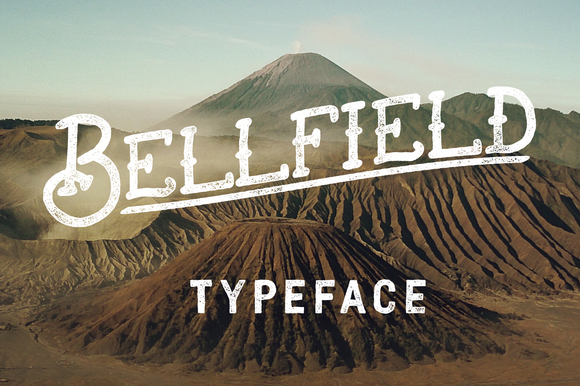
Bellfield: A Hand-Drawn Vintage Font for Bold, Tattoo-Inspired Design
Choosing the right typeface often comes down to balancing readability with personality. For designers, marketers, or hobbyists looking to infuse their work with raw, handcrafted character, the Bellfield font offers a distinctive option. Bellfield is a vintage font completely drawn by hand, inspired by traditional tattoo designs from the 70s and later. This all-caps typeface includes the complete alphabet and is designed to add a layer of authenticity and grit to any project. But how does it compare to other options in the vintage or display font space, and is it the right fit for your specific needs? This article explores what makes Bellfield unique, where it shines, and the tradeoffs to consider before committing to it.
What Makes Bellfield Distinct: Hand-Drawn Roots and Tattoo Heritage
Bellfield stands apart because of its origin story. Unlike many digital fonts that are meticulously refined on screen, Bellfield was first sketched by hand, capturing the imperfections and organic flow that you would see in old-school tattoo flash sheets. The design draws heavily from the bold outlines and shaded midtones typical of 1970s tattoo lettering, giving it a rugged, slightly worn appearance. This is not a clean, geometric typeface; it is meant to feel like it was inked on skin or drawn with a marker on aged paper.
The font is exclusively uppercase, which reinforces its bold statement. For projects where every letter needs to command attention, Bellfield delivers a consistent weight and attitude. Its hand-drawn nature means that no two letters feel overly mechanical, even in digital use, preserving a sense of human touch that many modern fonts lack. This makes it a strong candidate for posters, album covers, apparel designs, and any branding that aims for an authentic vintage or underground aesthetic.
Comparing Bellfield with Other Vintage and Display Fonts
When evaluating Bellfield, it helps to place it alongside other font categories that designers frequently consider. The comparison below highlights key differences in style, legibility, and intended use.
Bellfield vs. Refined Vintage Serifs
Many vintage-inspired fonts, such as those based on classic printed typography, have been digitally cleaned up to ensure high legibility at small sizes. Bellfield, in contrast, retains its rough edges and variable stroke widths. This gives it more personality but can reduce readability in body text or lengthy paragraphs. A refined serif might be better for a vintage look in a book or formal invitation, while Bellfield excels when you want each letter to feel like an individual mark. If your project demands both vintage feel and clear communication of longer sentences, a cleaner serif may serve you better.
Bellfield vs. Modern Hand-Lettered Fonts
There are many hand-lettered fonts available, but Bellfield’s tattoo inspiration sets it apart. Modern hand-lettered scripts often mimic calligraphy or brush strokes, with a focus on elegance or whimsy. Bellfield is more rugged and unapologetic; it is not meant to be pretty but rather to be memorable and slightly rebellious. If you are designing for a brewery, a motorcycle club, or a vintage clothing brand, Bellfield’s tattoo roots can communicate authenticity more quickly than a generic hand-lettered style. However, if your project calls for a softer, more approachable handmade feel, other hand-lettered options might be a better match.
Bellfield vs. Other All-Caps Display Fonts
All-caps display fonts vary widely from tight, condensed styles to wide, bold options. Bellfield falls into a medium weight with moderate letter spacing, giving it a commanding presence without feeling cramped. Compared to ultra-bold block letters, Bellfield has more character and less monotony. Compared to distressed or grunge fonts, Bellfield offers a more organic decay rather than a uniform digital effect. The hand-drawn quality means the wear and tear in Bellfield looks natural, not like a filter was applied. This makes it more suitable for projects where you want a tactile, vintage feel without looking artificially aged.
Strengths of Bellfield: When It Shines
- Authentic vintage character: The hand-drawn origins and tattoo inspiration create a genuine old-school feel that is hard to replicate with standard fonts.
- Strong visual impact: The all-caps design and bold lines ensure that headlines and short phrases stand out immediately.
- Versatility in context: Works particularly well for logos, posters, merchandise, social media graphics, and packaging that needs a rebellious or nostalgic touch.
- Natural imperfections: The variation in stroke width and slightly uneven letterforms add warmth and humanity to digital designs.
Tradeoffs and Limitations to Consider
- Limited legibility in long text: The rough edges and hand-drawn quality make Bellfield hard to read in body copy or at very small sizes.
- All-caps constraint: There is no lowercase option, which can limit flexibility in certain design contexts or when you need to vary typographic hierarchy.
- Niche appeal: The tattoo-inspired aesthetic may not suit corporate, medical, or very formal projects where a neutral or refined look is expected.
- Potential overuse: Because the font has a very distinctive look, using it across multiple projects can quickly make your designs feel repetitive or gimmicky.
- Limited character set: While Bellfield includes the complete alphabet, it may lack special characters, numbers, or punctuation that some projects require, so check the full glyph set before committing.
Best-Fit Use Cases for Bellfield
To help you decide, here are realistic examples of where Bellfield performs well and where you might want another option.
Suitable scenarios
- Branding for a vintage-inspired barbershop or tattoo parlor: The font immediately communicates the era and culture.
- Poster for a rock concert or music festival: The bold, hand-drawn letters match the energy of live music.
- Product labels for small-batch spirits or artisanal goods: Adds a handcrafted, authentic feel to packaging.
- Social media quotes or short motivational phrases: The all-caps style makes them punchy and shareable.
- Merchandise like T-shirts, hats, or patches: The design feels like it belongs on fabric, not just on screen.
Less suitable scenarios
- Long-form articles or blog body text: Readers will struggle with readability, and the font may feel exhausting.
- Professional resumes or corporate reports: The aesthetic may undermine credibility in formal settings.
- Children’s books or educational materials: The rough, tattoo-inspired style may not align with the intended audience or message.
- Websites with heavy text content: Using Bellfield for navigation or headlines can work, but avoid it for paragraphs.
Decision Factors: How to Choose the Right Font for Your Project
When deciding whether Bellfield is the right choice, consider these key factors:
- Audience: Will the people seeing your design appreciate a vintage, tattoo-inspired look? If so, Bellfield speaks their language. If your audience expects a clean, modern appearance, look elsewhere.
- Context: What medium will the font appear in? For print on distressed paper, fabric, or signage, Bellfield feels natural. For high-resolution screens or small mobile interfaces, its rough edges may become a distraction.
- Pairing: Bellfield works best as a headline or accent font. Pair it with a clean, simple sans-serif for body text to balance the visual weight. Avoid pairing it with other heavily styled fonts to prevent visual clutter.
- Message: What tone are you trying to convey? Rebellion, nostalgia, handcrafted quality, and authenticity all align with Bellfield. If your message is about innovation, precision, or elegance, this font may not fit.
- Alternatives: Before committing, explore other hand-drawn or tattoo-inspired fonts to see if any offer better legibility, a more complete character set, or a style that matches your vision more closely. Bellfield has a specific flavor that is not for everyone.
Practical Tips for Using Bellfield Effectively
If you decide that Bellfield suits your project, here are a few ways to maximize its impact:
- Use at larger sizes: Bellfield looks best at 18pt and above, where the hand-drawn details are visible and the letters have room to breathe.
- Keep spacing generous: Because the letters have irregular edges, adding a small amount of extra letter-spacing can improve legibility and prevent the characters from feeling crowded.
- Limit to short phrases: Stick to headlines, titles, or short lines of text. For anything longer than a few words, consider a complementary font.
- Test on different backgrounds: The font works well on off-white, cream, or textured backgrounds that mimic paper. On pure white or very dark backgrounds, the contrast may exaggerate the roughness.
- Combine with simple imagery: Let the font be the star. Avoid using it alongside other highly detailed or busy visual elements to maintain clarity.
Final Thoughts: Is Bellfield the Right Choice for You?
Bellfield is a font with a strong point of view. Its hand-drawn, tattoo-inspired origins give it a distinct voice that can elevate projects aiming for a vintage, rebellious, or handcrafted aesthetic. However, its strengths also come with limitations: reduced legibility in small sizes, an all-caps-only format, and a niche appeal that may not suit every context. The best use cases are bold, short-format designs where personality matters more than pristine readability. By weighing these tradeoffs against your project’s goals, you can make an informed decision about whether Bellfield deserves a place in your typographic toolkit.
Remember that no single font works for everything. Bellfield excels as a specialty tool—use it when the message calls for grit and character, and lean on cleaner alternatives when clarity and formality take priority. With careful pairing and intentional placement, Bellfield can become a memorable part of your design vocabulary.