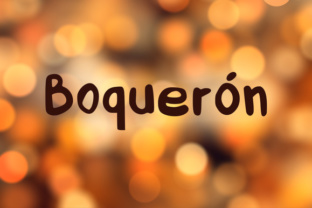
Boquerón: A Handwritten Brush Font
In the ever-evolving landscape of modern graphic design, the tools we choose to articulate a message can dictate the entire emotional tone of a project. Few assets bridge the gap between raw human expression and polished visual communication quite like a meticulously crafted handwritten brush font. Enter Boquerón, a distinctive typeface created by Carolina Valtuille that brings an undeniable warmth and authenticity to the digital canvas. This handwritten brush font is more than a simple set of characters; it is a curated creative asset designed to inject genuine personality into everything from brand identity systems to dynamic editorial layouts.
Why Boquerón Matters in Modern Visual Design
The current trajectory of visual design trends leans heavily towards authenticity, imperfection, and the tactile sense of craftsmanship. In a digital world dominated by sterile geometric sans-serifs and predictable system fonts, Boquerón offers a refreshing antidote. Its uneven stroke weights, subtle texture, and natural variations capture the exact essence of hand-painted lettering, making every headline, pull quote, or logo mark feel intentional and alive.
For designers building a brand identity, the choice of typography is a foundational decision. A font like Boquerón immediately communicates approachability and creativity. It signals to an audience that the brand values direct human connection over corporate uniformity. This makes it an exceptionally powerful tool for visual branding in sectors like hospitality, creative agencies, artisanal food and beverage, retail, and lifestyle marketing. When paired with a thoughtful color palette and clean composition, this font transforms from a simple typeface into the emotional anchor of a complete brand system.
Practical Applications for Designers and Marketers
The versatility of a well-constructed handwritten brush font allows it to shine across numerous applications. Whether you are working on digital assets or physical print, the key is to leverage its expressive nature where it will have the greatest visual impact. Here are some high-value applications where Boquerón can elevate your design workflow:
Branding and Logo Design
Using Boquerón as a primary logotype or wordmark can infuse a brand with an immediate sense of history and handcrafted quality. It works exceptionally well as a stand-alone brand signature or paired with a clean, neutral sans-serif for a strong modern aesthetic.
Packaging and Print Design
In packaging design, the tactile illusion of a brush font enhances the perceived value of a product. It is perfect for labels, tags, and boxes that aim to feel artisanal or small-batch. In print design, it adds flair to editorial covers, promotional posters, and merchandise.
Social Media and Digital Marketing
Attention spans on social media platforms are fleeting. A distinct, bold handwritten font like Boquerón helps stop the scroll. It is ideal for quote cards, campaign headers, and Instagram Stories where visual hierarchy and immediate emotional resonance are critical for user engagement.
Web and UI Design
Integrating expressive typefaces into web design requires a strategic approach to UX. Because handwritten fonts can sacrifice legibility at very small sizes, Boquerón is best reserved for high-impact hero sections, navigation highlights, or accent text on call-to-action buttons. This intentional placement preserves usability while injecting strong personality into the interface.
Tips for Selecting and Using Creative Assets Effectively
To get the most out of a creative asset like Boquerón, it is essential to consider how it fits into your broader design goals and existing brand architecture. Here are actionable insights for maintaining a professional presentation:
- Prioritize Readability and Scalability: Always test the font at various sizes. A brush font that looks stunning on a billboard may become illegible on a mobile screen. Reserve it for headlines and short-form content, not lengthy body text.
- Maintain Visual Hierarchy: Use Boquerón as your accent voice. Let it anchor the main message or brand name, and support it with simpler, highly readable sans-serif or serif typefaces for secondary information. This contrast strengthens the overall visual communication.
- Consider the Color Palette: Brush fonts pair beautifully with earthy tones, muted color palettes, or high-contrast monochrome schemes. Avoid clashing it with overly complex digital textures that might compete with its organic texture.
- Check Compatibility with Brand Systems: Before integrating, ensure the personality of the font aligns with the existing brand identity. It works wonders for creative and lifestyle brands but may be less appropriate for highly conservative corporate environments.
Building Stronger Connections Through Typography
Typography is the voice of design. A thoughtfully chosen typeface can articulate a brand’s story more effectively than imagery alone. By incorporating a font like Boquerón into your design workflow, you are making a strategic choice to prioritize emotional resonance and visual storytelling. It provides a direct line to the audience, communicating warmth, creativity, and authenticity without saying a word. Whether you are refining a UI design, launching a new product, or developing a full brand identity, the careful integration of quality creative assets is what separates a functional design from a truly memorable visual experience.