Wicked Mouse Font: Bold Design for Creative Projects
What Makes Wicked Mouse Distinctive
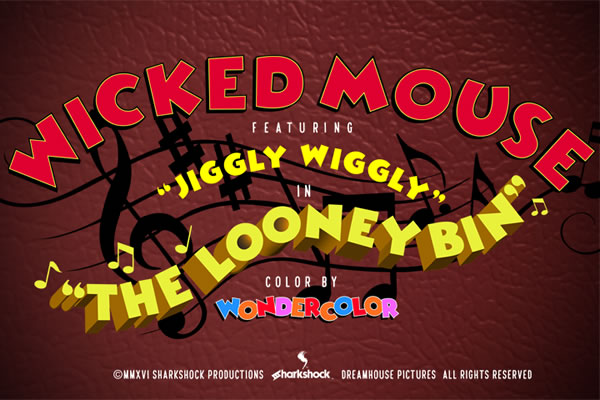
Wicked Mouse by Sharkshock is a display typeface built for visual impact. Unlike conventional serif or sans-serif fonts that aim for neutrality, this design leans into character. The letterforms carry a handcrafted, rough-edged quality that stands apart from polished corporate fonts. For anyone working on branding, posters, merchandise, or digital content, typeface choice directly shapes audience perception. A font like Wicked Mouse signals confidence and a willingness to stand out.
The typeface comes in two variations: Wicked Mouse Regular and Wicked Mouse 3D. Regular offers the core personality of the design — bold, slightly irregular strokes with a raw texture. The 3D version builds on that foundation by adding depth through extruded letterforms, giving each character a dimensional presence. Having both options within a single family means you can pair them across a project without mixing incompatible styles.
Wicked Mouse Regular for Direct Communication
Wicked Mouse Regular works well when you need clear, assertive text without extra visual layers. Its rugged stroke texture grabs attention while keeping the message readable at headline sizes. This variation suits situations where the font itself carries emotional weight — for example, event posters, product labels, or social media graphics where you want to evoke energy, grit, or authenticity.
Because the Regular version stays relatively flat, it integrates easily into layouts with other graphic elements. You can overlay it on images or use it as a standalone headline without worrying about shadow conflicts or depth mismatches. For a freelancer designing merchandise for a music festival or a small business owner creating in-store signage, this simplicity saves time during layout and production.
Wicked Mouse 3D for Depth and Hierarchy
Wicked Mouse 3D introduces a built-in extrusion effect that adds visual weight. The three-dimensional appearance makes letters pop off the page or screen, which can help establish visual hierarchy without additional drop shadows or layering. This is particularly useful when you want a headline to dominate a composition without resorting to complicated effects in your design software.
The 3D variation also opens possibilities for physical applications. For someone producing stickers, vinyl decals, or embossed packaging, the extruded look translates well into tangible formats. A small business owner creating product packaging for a limited-edition run could use Wicked Mouse 3D on the front label and Regular for secondary text, creating a cohesive system with one font family.
Strengthening Brand Identity
Brand recognition often hinges on consistent visual language. Using Wicked Mouse across touchpoints — website headers, social media graphics, printed collateral — creates a recognizable thread. The font’s distinctive style acts as a signature. A blogger covering alternative culture or a freelancer building their personal brand could adopt this typeface as part of their visual identity, helping audiences remember them.
For entrepreneurs launching a product aimed at a younger or subculture audience, the rough-edged aesthetic of The Wicked Mouse font aligns with values like authenticity and non-conformity. It signals that the brand doesn’t follow generic templates. This type of subtle communication influences purchase decisions, especially in saturated markets where differentiation matters.
Improving Presentation Quality
Presentation deck design often gets overlooked, but slide typography affects credibility and retention. Wicked Mouse Regular used sparingly for title slides or key quotes can transform a standard deck into something memorable. The 3D variation can highlight milestone announcements or product names. For a professional pitching a creative concept to clients, strong typography reinforces the quality of the work being presented.
Even internal communications benefit. A team lead sharing project updates with a visually engaging title slide using Wicked Mouse may find colleagues more engaged. The shift in tone from standard corporate templates can signal fresh thinking or a new project phase.
Supporting Content Creation Efficiency
Content creators — YouTube thumbnail designers, social media managers, bloggers — often need fast turnaround. Having a font family with built-in variation reduces time spent on layering effects for depth. Wicked Mouse 3D eliminates the need to manually create extrusion effects in software, which can take multiple steps. Instead, you type directly and get the dimensional look instantly.
Similarly, Wicked Mouse Regular pairs easily with other fonts. A marketer designing a campaign can use it for headlines and combine it with a readable sans-serif for body copy. This streamlining matters when deadlines are tight and consistency across multiple assets is expected.
Who Benefits Most and Why
Wicked Mouse is not a universal typeface, and that is its strength. Professionals working in music, gaming, streetwear, action sports, or entertainment will find the aesthetic naturally aligned with their audience. For a publisher creating a zine or a educator designing materials for a youth workshop, the font brings energy that plain typefaces lack.
Freelancers and small business owners who wear multiple hats — copywriter, designer, marketer — benefit from a font that reduces decision fatigue. Choosing one family with two distinct variations simplifies font selection across projects. Instead of searching for complementary typefaces that may clash, you stay within one ecosystem.
Hobbyists creating personal projects also gain practical value. A hobbyist designing a custom T-shirt for a group event or a poster for a local club can achieve professional-looking results without deep design experience. The built-in style of The Wicked Mouse font does much of the heavy lifting visually.
Thoughtful Considerations When Using Wicked Mouse
Like any display typeface, Wicked Mouse performs best at larger sizes. Its detailed strokes and texture can become muddy at small point sizes, especially in body text. Designers should reserve it for headlines, titles, short phrases, or accent elements. Using it for long paragraphs would compromise readability and dilute its impact.
The 3D variation, while visually striking, adds visual mass. In layouts with multiple elements, pairing Wicked Mouse 3D with ample negative space helps maintain clarity. Overcrowding the composition with heavy type and busy graphics can overwhelm viewers. A marketer designing a flyer might use the 3D version for the main headline and Regular for secondary information, keeping the hierarchy clean.
Licensing and usage rights also deserve attention. Sharkshock fonts typically come with specific allowances for personal and commercial use. Before using Wicked Mouse in products for sale — such as merchandise, published books, or branding assets — review the license terms to ensure compliance. This step protects both your work and the creator’s rights.
Making an Informed Decision
Choosing Wicked Mouse comes down to matching the font’s personality with your project’s goals. If you need a typeface that communicates boldness, individuality, and a hands-on feel, this family delivers. The two variations give you flexibility within a single cohesive design, reducing the risk of visual fragmentation across materials.
For professionals who value efficiency, the 3D variation saves production time. For those focused on brand consistency, using Regular across digital and print touchpoints builds recognition. And for creators at any stage, experimenting with both variations within a single project can reveal combinations you might not have planned initially.
The best typeface choices feel intentional rather than accidental. Wicked Mouse offers enough personality to be a deliberate statement, but enough structure to remain professional. That balance makes it a practical option for anyone looking to elevate their visual work without overcomplicating the process.