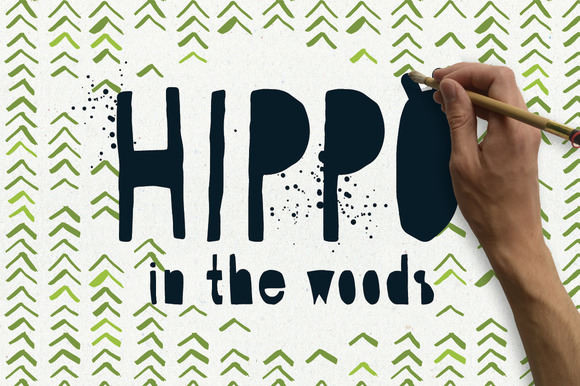
Why Hippo and Hippo in the Woods Is Redefining Visual Communication for Creators and Brands
In an era where digital noise saturates every screen, the demand for distinctive typography has never been greater. Brands, freelancers, and enterprises alike are seeking fonts that do more than simply convey text—they want typefaces that carry personality, evoke emotion, and stand out in a crowded landscape. Enter Hippo and its nature-inspired variant Hippo in the Woods, an artistic font family that breaks free from conventional design constraints. This article explores why this typeface is capturing attention across creative and professional communities, how it fits into larger industry shifts, and what practical value it offers for those who rely on visual storytelling.
The Rise of Expressive Typography in a Standardized World
For years, the design world oscillated between minimalism and maximalism, but a quieter revolution has been unfolding in typography. The proliferation of digital tools and platforms has democratized design, meaning that anyone from a solopreneur to a large marketing team can produce professional-looking materials. However, this accessibility has also led to homogeneity. Many brands end up looking similar because they rely on the same safe, ubiquitous fonts. Hippo addresses this challenge directly by offering a typeface that is deliberately unconventional. It is not a font designed to blend in; it is crafted to command attention and communicate a distinct creative identity.
This shift toward expressive typography is not merely aesthetic—it reflects a broader change in audience expectations. Consumers today are visually literate. They can spot a generic template from a mile away and often equate originality with trustworthiness. In this context, Hippo in the Woods emerges as a tool for differentiation. Its inspiration from wild nature gives it an organic, unpredictable quality that feels authentic in a world of polished digital perfection. For marketers and entrepreneurs, this means the font can help convey a brand story that feels human and grounded.
What Makes Hippo and Hippo in the Woods Distinctive
Hippo is not a single font but a creative ecosystem. Designed with no limits in terms of creativity, it embraces irregular forms, unexpected curves, and a handcrafted sensibility. Hippo in the Woods takes this philosophy further by infusing the typeface with motifs and textures drawn from forest environments—think bark-like strokes, leaf-inspired terminals, and a rugged yet playful rhythm. This is not a font that aspires to perfection in the traditional sense; instead, it celebrates imperfection as a source of character.
What makes this approach particularly relevant today is the growing appreciation for authenticity in branding. The era of sterile, corporate-robot communication is fading. People want to connect with brands that feel real, even raw. Hippo in the Woods embodies that raw quality. It reminds viewers of handwritten signs on woodland trails, of bark textures under fingertips, of the organic chaos of nature. This emotional resonance is something that clean, geometric fonts rarely achieve.
Practical Applications Across Media
The versatility of Hippo is one of its strongest assets, but its utility goes beyond mere adaptability. Consider the following practical scenarios where this font family excels:
- Headings and Titles: When used for headlines, Hippo in the Woods immediately establishes a mood. It works exceptionally well for outdoor brands, eco-conscious products, wellness retreats, and children's publishing. The font communicates adventure and warmth without being childish.
- Logos and Brand Identities: A logo needs to be memorable and scalable. Hippo achieves this through its distinct silhouette. Because it is not derivative of common typefaces, a logo set in Hippo is likely to be recognized and recalled. For startups and small businesses looking to make a mark without a massive budget, this can be a strategic advantage.
- Invitations and Greeting Cards: The handcrafted feel of Hippo in the Woods makes it ideal for events that emphasize intimacy and connection—weddings, birthday parties, holiday gatherings, and milestone celebrations. The font suggests a personal touch, as if the invitation were hand-lettered with care.
- T-Shirt and Merchandise Design: Apparel often relies on bold, readable type that also carries attitude. Hippo fits this brief perfectly. Its organic lines translate well onto fabric, and its nature theme aligns with the growing consumer preference for sustainable and outdoor-inspired lifestyle products.
- Posters, Book Covers, and Brochures: In print media, where texture and presence matter, Hippo in the Woods brings a tactile quality that standard fonts cannot replicate. A book cover set in this font immediately signals a story connected to nature, adventure, or introspection. Similarly, posters for community events or environmental campaigns gain credibility and visual appeal.
Why Creators and Professionals Are Paying Attention
The growing interest in Hippo is not accidental. Several converging trends explain why this typeface matters right now.
First, there is the rise of the passion economy. More individuals are building businesses around their hobbies, values, and identities. A font like Hippo in the Woods allows these creators to express their unique perspective without compromise. Whether it is a small-batch candle maker, a nature photographer, or a freelance graphic designer, the font helps them signal their niche and attract like-minded audiences.
Second, the remote and flexible workforce has changed how professionals present themselves. Freelancers and consultants often need to differentiate themselves in a global market. Using a distinctive font like Hippo in proposals, portfolios, and social media visuals can create a lasting impression. It suggests that the professional behind the work values creativity, quality, and originality.
Third, sustainability and environmental consciousness are no longer fringe concerns—they are mainstream values. Hippo in the Woods taps into this cultural shift by visually aligning with nature. Brands and creators who use this font are implicitly making a statement about their connection to the natural world. In a market where consumers increasingly reward ethical and eco-friendly positioning, this subtle cue can be powerful.
Changing Workflows and Expectations in Design
The way people approach design has evolved dramatically in the past decade. Tools like Canva, Figma, and Adobe Express have made it possible for non-designers to create high-quality visuals. However, with great power comes great responsibility—and a new set of challenges. The same libraries of assets are available to everyone, which can lead to a sea of sameness. Hippo offers a way out of that trap. By choosing a font that is less common, creators can instantly elevate their work from generic to distinctive.
Moreover, the expectations for brand consistency have changed. Audiences now expect brands to show up across multiple touchpoints—social media, email, print, web, events—with a cohesive but flexible visual identity. Hippo supports this need because it works across both digital and physical formats. Its bold forms hold up well on screens, and its textured details shine in print. For a creator or marketer managing a brand solo or with a small team, having a single font family that can handle diverse applications is a practical efficiency gain.
Observations from the Creative Community
Feedback from designers and brand owners who have adopted Hippo in the Woods reveals a consistent theme: the font helps them tell stories that feel personal. One freelance illustrator noted that using the font for her portfolio headings made her work feel more cohesive—the handcrafted lettering echoed the organic shapes in her drawings. A small outdoor gear company reported that their email open rates improved slightly after switching to a Hippo-based email header, speculating that the font's uniqueness reduced the spammy feel of their newsletters.
These anecdotes underscore a broader insight: typography is not just about readability. It is about emotional signaling. When you use Hippo in the Woods, you are telling your audience that you value creativity, that you are willing to take risks, and that you have a connection to something larger than commerce. That message resonates deeply in a time when people are hungry for meaning and authenticity in their interactions with brands.
Connecting Hippo to Larger Developments in Visual Culture
The popularity of Hippo is part of a larger movement toward artisanal digital assets. Just as the food world has seen a resurgence of handmade, locally sourced products, the design world is embracing fonts, icons, and illustrations that feel crafted rather than mass-produced. This trend is fueled by a backlash against the coldness of pure technology. People want interfaces and communications that feel human, warm, and imperfect.
Additionally, the forest-bathing and wellness movements have influenced aesthetics. The idea that nature has restorative properties has spilled over into design. Hippo in the Woods is a typographic manifestation of this trend. It brings a piece of the forest into the digital realm, allowing creators to evoke calm, adventure, or introspection depending on context. For lifestyle brands, wellness coaches, and outdoor educators, this alignment is particularly valuable.
On the technology side, variable fonts and increased support for custom typefaces across platforms have made it easier to use distinctive fonts without worrying about compatibility. Hippo benefits from these infrastructure improvements. A decade ago, using a font this expressive in a digital product might have led to rendering issues or slow load times. Today, the technical barriers have largely been removed, making it feasible for even small projects to use high-quality artistic typefaces.
Practical Considerations for Using Hippo Effectively
To get the most out of Hippo in the Woods, consider these context-based guidelines:
- Pair it with simpler fonts for body text. Because Hippo is highly expressive, it works best when balanced with a clean, neutral typeface for paragraphs and smaller text. This creates contrast and ensures readability.
- Use it sparingly for maximum impact. Reserve Hippo for headlines, logos, and key callouts. Let it be the accent that draws the eye, not the background noise.
- Match the tone to your audience. While Hippo in the Woods is playful and organic, it can also be serious when used in the right context. A nature reserve's annual report can leverage the font to convey gravity and respect for the environment.
- Test across media. Always preview how the font looks at different sizes and on different backgrounds. Its texture can behave differently on light versus dark surfaces, and on screen versus paper.
The Future of Artistic Typography in Branding
Looking ahead, the appetite for fonts like Hippo is likely to grow. As artificial intelligence generates more and more generic content, the premium on human-made, emotionally resonant design will increase. Creators who invest in distinctive typography now are building a visual asset that will become even more valuable over time. The font is not a trend; it is a tool for enduring differentiation.
Moreover, the blending of digital and physical experiences—sometimes called phygital design—requires typefaces that work across both realms. Hippo in the Woods is uniquely suited for this hybrid world. Its roots in natural imagery give it a tangible quality that photographs well and translates to merchandise, while its digital rendering remains crisp and functional on websites and social media.
Conclusion: Why Hippo Matters Now
In summary, Hippo and Hippo in the Woods are more than just fonts—they are responses to a cultural and commercial moment. They address the need for authenticity, differentiation, and emotional connection in a visually saturated world. For professionals, creators, and entrepreneurs, adopting this typeface is not just a stylistic choice; it is a strategic decision to communicate originality and care.
Whether you are designing a logo for a startup, planning a wedding invitation, building a brand for an outdoor product, or creating content for social media, Hippo in the Woods offers a way to stand out while staying true to a natural, human-centered aesthetic. In doing so, it helps close the gap between what brands want to say and what audiences actually feel.
The forest is full of paths less traveled. With Hippo, your typography can forge one of them.