The Unmistakable Appeal of Dear Wendy: Why a Paint-Like, Thick Typeface Is Reshaping Visual Communication
In the crowded landscape of digital typography, where precision often reigns supreme, a new contender has emerged that embraces the opposite philosophy. Dear Wendy is a paint-like typeface with a thick style that deliberately rejects sterile perfection in favor of something far more human. At first glance, it might appear to be just another bold display font. But beneath its rugged, brush-heavy strokes lies a powerful response to a growing cultural shift: the demand for authenticity, tactility, and emotional resonance in a world saturated with polished visuals.
For professionals, creators, and marketers alike, understanding why Dear Wendy is capturing attention goes far beyond its aesthetic appeal. It speaks to a fundamental change in how audiences connect with brands, how designers approach storytelling, and how businesses differentiate themselves in an increasingly homogeneous digital environment.
What Exactly Is Dear Wendy?
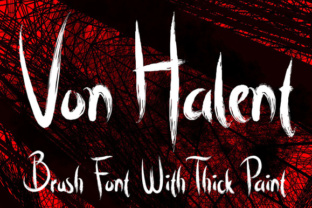
Dear Wendy is a typeface built around the raw, expressive qualities of hand-painted lettering. Its thick, bold strokes mimic the look of paint applied with a broad brush, complete with subtle irregularities, uneven edges, and a tactile weight that feels almost three-dimensional. Unlike many digital fonts that aim for geometric consistency, Dear Wendy celebrates imperfection. Each character carries the energy of something made by hand—a quality that is increasingly rare and increasingly valued.
This typeface is not designed for body text or long-form reading. Instead, it thrives in display contexts where impact is paramount. T-shirt designs, posters, logos, packaging, social media graphics, and any application that demands immediate visual presence are its natural habitat. The thick, paint-like quality ensures that even at small sizes, the lettering remains legible and commanding, while at larger scales, the texture and brush details become a focal point.
But Dear Wendy is more than just a font. It is a design tool that carries an inherent narrative. Every curve and splatter suggests a human hand, a moment of creation, and a deliberate departure from the machine-made. In a professional context, this narrative is invaluable.
The Broader Shift: Why Imperfection Is Winning
The rise of Dear Wendy coincides with a larger cultural and market trend toward authenticity. Over the past decade, consumers have grown increasingly skeptical of overly polished, corporate aesthetics. The perfectly kerned, clean sans-serif that once signified professionalism now often reads as cold or disconnected. In response, brands across industries are embracing what designers call the "handmade aesthetic."
This is where Dear Wendy fits seamlessly. Its paint-like, thick style aligns with the broader movement toward analog-inspired design that feels personal, approachable, and grounded. From craft breweries to indie fashion labels, from coffee shops to digital startups, the desire to communicate warmth and humanity has never been stronger. Dear Wendy delivers that in spades.
Marketers and entrepreneurs are paying attention because this typeface helps bridge a critical gap: the need to stand out while also building trust. A logo set in Dear Wendy looks like it was painted on a storefront window, not generated by an algorithm. That distinction matters. It signals that a brand is willing to be vulnerable, to embrace the imperfect, and to invest in craft rather than convenience.
Why Dear Wendy Is Gaining Traction Among Creatives
For designers and freelancers, Dear Wendy offers something that many modern typefaces do not: a shortcut to emotional depth. Achieving a hand-painted look traditionally requires significant time, skill, and resources. Custom lettering, brush techniques, and texture overlays are all part of a labor-intensive process. Dear Wendy condenses that effort into a ready-to-use asset without sacrificing quality or character.
This efficiency is particularly valuable in fast-paced workflows. When a client needs a poster design by the end of the day, or a social media campaign requires a consistent visual voice across multiple assets, Dear Wendy provides an instant foundation. Its thick, paint-like strokes ensure that the final output carries a handmade feel without the weeks of manual iteration that such a look would typically demand.
Moreover, the typeface works across a wide range of media. On a T-shirt, it mimics screen-printed ink. On a poster, it evokes a street art vibe. In a logo, it conveys durability and approachability. This versatility makes it a go-to choice for creative professionals who work across disciplines. Whether you are designing for print, digital, or merchandise, Dear Wendy adapts while retaining its distinct personality.
Entrepreneurs and small business owners also find value in the typeface because it allows them to punch above their weight. A startup with a limited design budget can use Dear Wendy to create packaging, signage, and marketing materials that look intentionally artisanal rather than cheap or rushed. The font itself does the heavy lifting of communicating quality and care.
Changing Needs and Expectations in Visual Communication
The relevance of Dear Wendy is rooted in a profound shift in audience expectations. Today's consumers are visually literate. They can instantly distinguish between a generic stock template and a deliberately crafted design. They are also more skeptical of perfection. The rise of user-generated content, behind-the-scenes storytelling, and "unfiltered" brand voices has trained audiences to value the real over the flawless.
This has direct implications for typography. A typeface like Dear Wendy feels honest. It does not hide its brush marks. It does not pretend to be something it is not. In an era where transparency is currency, that honesty resonates. When a brand uses Dear Wendy, it makes a subtle but powerful statement: "We are comfortable with imperfection because we are confident in what we offer."
This is especially critical in industries like food and beverage, hospitality, fashion, and lifestyle, where brand personality is a primary differentiator. A thick, paint-like typeface can transform a generic product label into a story about craftsmanship. It can turn a simple poster into an invitation to experience something authentic. The font itself becomes part of the brand's narrative.
For marketers, this represents an opportunity to bypass the noise. In a landscape where every brand is competing for milliseconds of attention, Dear Wendy demands a pause. Its bold, textured presence is inherently arresting. It does not blend in. It cannot be ignored. And in a world of endless scrolling, that is a strategic advantage.
Practical Applications Across Creative and Business Contexts
The versatility of Dear Wendy makes it relevant across a wide spectrum of use cases. Consider the following examples, each of which highlights how the typeface meets specific professional needs:
- T-shirt and apparel design: The thick, paint-like strokes translate beautifully to screen printing and direct-to-garment techniques. The font's bold weight ensures readability from a distance, while the hand-painted texture adds a premium, artisanal feel that resonates with customers seeking unique, expressive clothing.
- Posters and event signage: Whether for a music festival, a local market, or a gallery opening, Dear Wendy delivers the visual authority needed to capture attention in crowded physical spaces. Its texture creates depth that flat, vector-based fonts cannot replicate.
- Branding and logos: For businesses aiming to project a sense of heritage, craft, or community, Dear Wendy provides an instant identity. A logo set in this typeface feels established and grounded, as if it has been painted on the same storefront for decades.
- Packaging and product labels: In retail environments, the font's tactile quality suggests a product that is made with care. It works especially well for small-batch goods, artisan foods, and handmade cosmetics.
- Social media and digital content: Even in purely digital contexts, Dear Wendy retains its analog warmth. It can be used for headlines, quote graphics, and promotional assets where a human touch is needed to cut through the polished perfection of most online content.
For freelancers and agencies, offering Dear Wendy as a design option signals to clients that you understand current visual trends and can deliver work that feels contemporary yet timeless. It is a tool that helps differentiate your portfolio in a competitive market.
Connecting to Larger Industry Developments
The growing popularity of Dear Wendy also reflects a broader revaluation of craft in the design industry. After years of dominance by minimalist, sans-serif typography, there is a renewed appetite for decorative, expressive, and historically inspired typefaces. This pendulum swing is not arbitrary. It responds to a cultural moment where people crave depth, texture, and meaning.
Simultaneously, the rise of digital fabrication tools—such as large-format printers, laser cutters, and embroidery machines—has expanded the contexts in which display typefaces like Dear Wendy can be applied. What once might have been limited to print is now being used on physical products, signage, and three-dimensional objects. The font's robust construction makes it ideal for these applications, where thin strokes might fail structurally or visually.
There is also a technological angle. As artificial intelligence and automation increasingly handle routine design tasks, the value of human-centered design choices grows. A typeface like Dear Wendy is a deliberate, creative decision. It cannot be generated by a prompt. It requires a designer's eye to deploy effectively. In this sense, using Dear Wendy is a statement about the irreplaceable role of human judgment in design—a message that resonates with both creators and clients.
What This Means for Professionals and Enthusiasts Alike
For professionals—whether you are a graphic designer, a marketer, an entrepreneur, or a freelancer—Dear Wendy represents more than a font choice. It is a strategic asset that aligns with the current trajectory of visual culture. It helps you communicate authenticity, command attention, and differentiate your work in meaningful ways.
For enthusiasts and hobbyists, the typeface opens up creative possibilities that were once difficult to achieve without advanced skills. A beginner can produce work that looks intentionally expressive and professionally crafted. That democratization of quality is one of the most exciting developments in contemporary design.
Ultimately, Dear Wendy succeeds because it meets a real need: the desire for connection in a digital age. Its thick, paint-like strokes are a reminder that behind every design is a human hand, and behind every brand is a human story. In a world that moves fast and feels increasingly automated, that reminder is worth paying attention to.
Whether you are designing a logo, a poster, or a T-shirt, Dear Wendy offers a way to speak with clarity, warmth, and unmistakable character. And in today's marketplace, that is not just a stylistic preference. It is a competitive advantage.