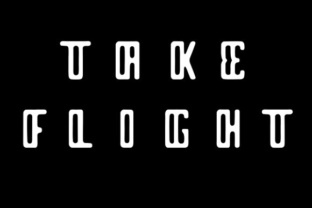
Gallows: A Strategic Typeface for Distinctive Visual Communication
Choosing the right typeface is rarely a casual decision when the goal is clear communication or memorable brand presence. Every font carries history, weight, and emotional resonance that shapes how readers perceive your message. Gallows stands apart as a unique tool in this landscape—a typeface with deliberate character, born from an earlier design called Stout, yet distinct enough to feel like a rare encounter. Think of it as the distant relative you only see once in a blue moon: familiar in lineage but strikingly different in application. For entrepreneurs, creators, and decision-makers who value intentional design, Gallows offers a way to signal something specific without shouting.
What makes Gallows strategically useful is not its novelty alone, but its ability to anchor visual identity in contexts where clarity and distinction matter most. Unlike generic sans-serifs or overused display fonts, Gallows carries a personality that works best when paired with badges, mono line icons, or apparel. It thrives in scenarios where supporting elements do the heavy lifting and the typeface itself provides the emotional finish. That balance makes it a strong candidate for projects that require both professionalism and a touch of rawness.
Understanding the Strategic Role of Gallows in Brand Positioning
Brand positioning depends heavily on consistency across touchpoints. Every visual element—color, imagery, spacing, and type—reinforces or undermines the message you intend to send. Gallows enters this equation as a choice that signals deliberate nonconformity. It does not mimic the safe, rounded neutrality of corporate fonts. Instead, it brings a grounded, almost industrial presence that works well for brands aiming to communicate durability, authenticity, or a handcrafted ethos.
Consider a small business creating merchandise for a loyal customer base. Using Gallows on apparel labels, hang tags, or embroidered patches immediately sets the tone. The typeface suggests that the brand values texture over polish, and substance over trend. This is not a font for companies seeking mass-market anonymity. It serves organizations that want to be remembered for their point of view.
When you place Gallows alongside mono line icons, the contrast is where the magic happens. The icons provide structure and simplicity; Gallows adds weight and character. That interplay creates a visual rhythm that feels both designed and organic. For marketers or product designers planning a badge system or a suite of collateral, this pairing can elevate perceived value without requiring elaborate illustration or expensive photography.
Planning with Gallows: Intentional Use Over Random Application
The risk of using any distinctive typeface without clear goals is that it becomes decoration rather than communication. Gallows deserves better than that. Before you commit to it, ask yourself what role the typeface will play in your overall communication strategy. Are you using it to signal heritage? To evoke a specific subculture? To stand out on a crowded shelf or screen?
One practical approach is to define the emotional territory you want to occupy. Gallows leans toward the serious, the grounded, and the slightly unconventional. If your brand or project needs to convey trustworthiness with an edge—think craft breweries, outdoor gear companies, independent publishers, or boutique agencies—Gallows can serve as a reliable anchor. But if your communication goals lean toward warmth, playfulness, or high-tech innovation, you may find that Gallows pulls in a different direction than intended.
Another planning consideration is scalability. Gallows, like its predecessor Stout, carries weight. In large sizes, it commands attention and works beautifully on posters, packaging, or hero images. At smaller sizes, however, you need to test legibility carefully. Not every display font translates well to body text or subheads. Reserve Gallows for moments that require emphasis—headlines, logos, badges, or short taglines—and let cleaner, more neutral typefaces handle the supporting text.
Use Cases Where Gallows Delivers Measurable Impact
The most successful applications of Gallows occur in environments where the audience already has some visual literacy. This is not a typeface that blends in, and that is precisely its value. When your target audience recognizes intentional design choices, they reward them with attention and trust. Below are several scenarios where Gallows can contribute to your goals:
- Brand identity for artisan or independent businesses: Gallows aligns naturally with brands that produce physical goods. Coffee roasters, woodworkers, soap makers, and small-batch distilleries can use it to reinforce the handmade, non-corporate nature of their work.
- Event graphics and limited-edition releases: Because Gallows feels uncommon, it works well for time-sensitive campaigns. A music festival, a pop-up market, or a seasonal product drop benefits from a typeface that signals something special.
- Apparel and merchandise: Screen printing and embroidery both suit Gallows because its forms hold up well when translated into thread or ink. The typeface's structure remains readable even when scaled down to chest logos or sleeve prints.
- Digital products with a tactile feel: Even in digital spaces, Gallows can evoke a sense of materiality. Badges, icons, and interface elements benefit from the contrast between clean lines and a weighty typeface.
Each of these use cases shares a common thread: the typeface is not the star, but the supporting actor that gives the production its tone. Gallows excels when it works in concert with other design elements rather than competing for attention.
Practical Considerations Before Adopting Gallows
Every design decision carries trade-offs. Adopting Gallows without evaluating its fit can lead to visual inconsistency or user confusion. Here are factors to weigh before making it part of your toolkit:
- Audience expectations: Will your customers or users respond to a typeface that feels unconventional? If your market expects clean, modern minimalism, Gallows may feel too heavy or nostalgic. Test it with a small segment before committing.
- Color and spacing behavior: Because Gallows has a strong presence, it pairs best with muted or neutral color palettes. Overly bright colors can clash with its personality. Likewise, generous letter spacing or tracking adjustments may be necessary to maintain readability at smaller sizes.
- Integration with existing assets: If you already have a established visual system, introducing Gallows should be a deliberate evolution, not a sudden replacement. Use it sparingly at first—on badges, headers, or accent elements—and see how it interacts with your current typography hierarchy.
- Licensing and web use: Always confirm the licensing terms for any typeface you intend to use commercially. Self-hosted web fonts, app embedding, and merchandise reproduction each have different requirements. A mismatch here can create legal headaches down the line.
Long-Term Value: How Gallows Supports Sustainable Visual Strategy
Trends in typography shift rapidly. What feels bold today may feel dated in two years. Gallows, however, draws from a design lineage that gives it staying power. Its roots in Stout connect it to a tradition of sturdy, functional letterforms that resist the pull of fleeting fashion. Using Gallows as a strategic asset means investing in a visual identity that can evolve without losing its core.
One way to think about long-term value is to consider how the typeface will age alongside your brand. Brands that change their visual identity too often risk confusing their audience. A typeface like Gallows, chosen with care and applied consistently, becomes a recognizable marker of your point of view. Over time, customers associate the typeface with the experience you provide, building a form of visual equity that goes beyond any single campaign.
For freelancers and small business owners, this kind of consistency is especially valuable. You do not have the luxury of massive marketing budgets that can reshape public perception overnight. Every design choice you make must work harder. Gallows, used intentionally, becomes a multiplier for your message. It tells customers, without words, that you care about the details and that you are willing to make choices that feel right rather than safe.
Risks of Using Gallows Without a Clear Strategy
Let me be direct: adopting Gallows simply because it looks interesting is a mistake. Every distinctive font carries the risk of overwhelming the message it is meant to serve. When a typeface draws attention to itself at the expense of readability or brand clarity, it undermines the very goals you set out to achieve.
I have seen projects where a strong display font like Gallows was applied to every piece of collateral—headlines, body copy, captions, even footnotes. The result was visual fatigue. Readers could not find the entry points they needed because there was no hierarchy. The typeface, powerful on its own, became noise.
To avoid this trap, establish clear usage rules from the start. Decide where Gallows will appear and where it will not. If you are building a brand style guide, specify which elements use Gallows and which use a complementary, more neutral typeface. This discipline ensures that the font's impact remains concentrated in the places that matter most.
Another risk is cultural or contextual mismatch. Gallows carries connotations that may not suit every industry or audience. A financial services firm or a healthcare provider, for example, might find that its weight feels too informal or even somber for their communication needs. Context is everything. Before you finalize any design, step back and ask whether Gallows reinforces or distracts from the core message.
Making the Decision: A Framework for Intentional Typeface Selection
If you are considering Gallows for an upcoming project, work through these decision points before committing:
- What emotional response do you want your audience to have? If the answer includes groundedness, authenticity, or quiet strength, Gallows may be a strong candidate.
- How will the typeface be used? If it is limited to badges, headlines, logos, or apparel, the risk of overuse drops significantly. If you plan to use it for extended body text, reconsider.
- Does your existing visual system have room for a typeface with this much personality? If your other elements are already high-contrast or busy, Gallows may compete rather than complement.
- Can you test it with a real audience? A quick A/B test with a landing page, a mock-up, or a small print run can reveal whether the typeface resonates or confuses.
These questions are not meant to discourage you from using Gallows. On the contrary, they are designed to help you use it well. A typeface chosen with strategy always performs better than one chosen by instinct alone.
Gallows in Practice: Realistic Implementation Guidance
Imagine you are launching a limited-edition product line for an outdoor apparel brand. Your goal is to communicate durability, craftsmanship, and a connection to place. You decide to use Gallows for the product names on hang tags and for a series of embroidered patches. The rest of your packaging uses a clean sans-serif for care instructions and sizing information.
In this scenario, Gallows does exactly what you need. It signals that the product is not mass-produced. It creates a tactile connection between the words and the materials. Customers who encounter the typeface on the patch and again on the hang tag experience a coherent visual story. The decision to restrict Gallows to specific touchpoints ensures it retains its impact each time it appears.
For a blogger or content creator, Gallows might serve a different purpose. Use it for your site's header, for pull quotes, or for section dividers. Let it punctuate your content rather than carry it. The contrast between your body text and these accent elements will guide readers' eyes and create a rhythm that feels intentional.
Educators and publishers can also benefit from Gallows when designing worksheets, zines, or limited-run publications. The typeface gives printed materials a sense of permanence and care. In an age where most content is consumed digitally and fleetingly, anything that feels crafted stands out.
Long-Term Thinking: Building a Visual Identity That Lasts
The real value of a typeface like Gallows reveals itself over months and years, not days. When you commit to a visual direction and apply it consistently, your audience begins to associate that look with the experience you deliver. Gallows, with its rare cadence and strong lineage, can become a signature element of your brand's visual language—provided you treat it with the same intentionality you bring to your overall strategy.
Think of Gallows as an investment in distinction. It is not the safe choice. It is not the easiest choice. But for the right project, with the right planning, it can be the choice that sets your work apart in a crowded field. Use it where it matters. Pair it with elements that let it breathe. And above all, let it serve your message rather than compete with it.