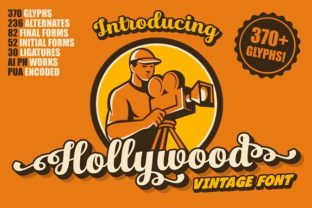
The Hollywood Font: Vintage Character Meets Modern Versatility
Typography is more than a functional necessity in design—it carries emotional weight, cultural resonance, and brand identity. In an era where visual communication is increasingly competitive, the tools we choose to express ideas matter more than ever. Among the standout typefaces gaining attention across creative and professional circles is Hollywood, a vintage retro font that delivers both aesthetic charm and practical utility. With PUA encoding and a rich set of alternates and extras, Hollywood is not merely a decorative choice—it is a strategic asset for designers, marketers, and content creators who want to stand out while maintaining readability and structure.
What Is Hollywood?
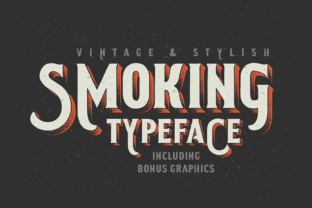
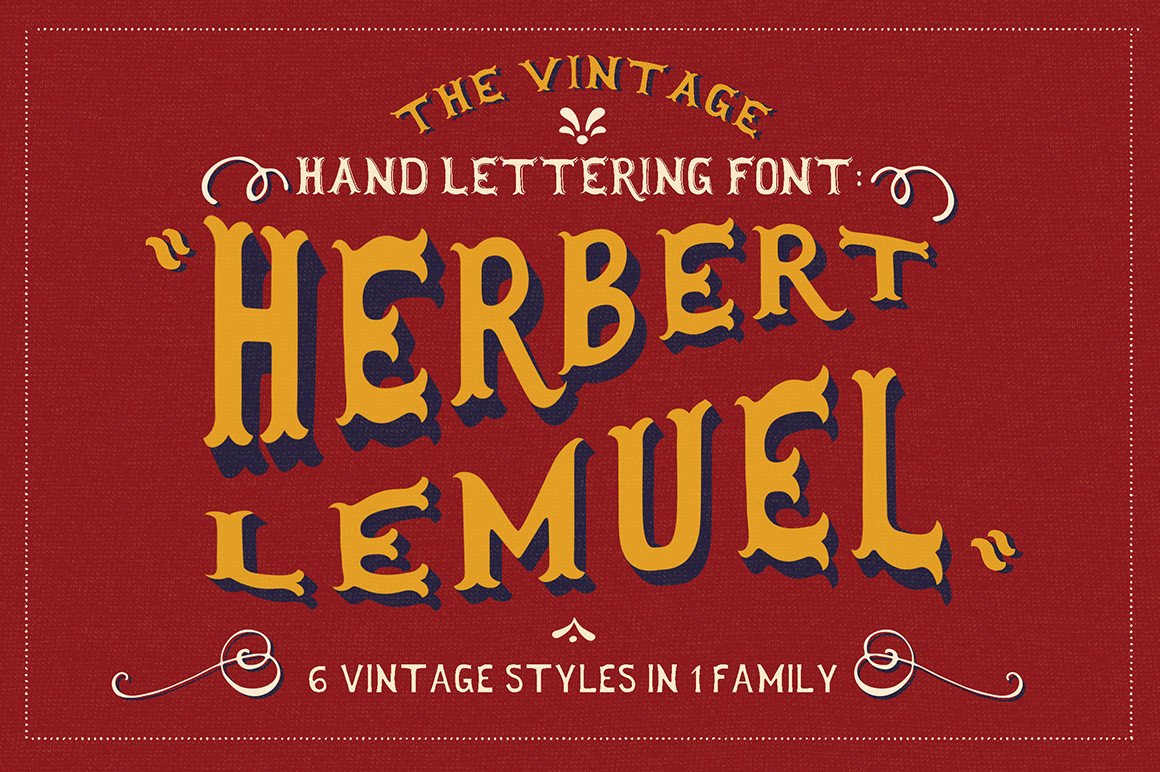
Hollywood is a retro-inspired typeface that draws on the visual language of mid-20th-century Americana, cinema signage, and classic entertainment branding. It captures the warmth, boldness, and nostalgic appeal of an era when typography was handcrafted and full of personality. Unlike many modern fonts that prioritize neutrality, Hollywood leans into character. Its letterforms are distinct, often featuring script-like flourishes, vintage serifs, or playful curves that evoke a sense of history and craftsmanship.
What makes Hollywood particularly valuable for contemporary projects is its technical foundation. The font is PUA encoded, meaning that users can access a wide range of alternate glyphs and special characters without needing specialized software. This encoding ensures that designers can easily swap in stylistic alternates, ligatures, and decorative elements directly from standard applications like Adobe Illustrator, Photoshop, or even word processors. The result is a typeface that offers extensive flexibility without complicating the workflow.
Why Hollywood Matters in Today's Design Landscape
The resurgence of vintage and retro aesthetics is not a fleeting trend. Across industries—from hospitality branding to digital marketing, from product packaging to social media content—there is a growing appetite for visual elements that feel authentic, handcrafted, and emotionally resonant. In a world saturated with sleek, minimal, and often generic design, Hollywood provides a counterbalance. It allows brands to tell stories that feel lived-in and memorable.
This shift is partly driven by changing consumer preferences. Audiences are increasingly drawn to brands that convey warmth, nostalgia, and human touch. A font like Hollywood can instantly communicate a sense of history, quality, and personality. For entrepreneurs and marketers, this is not just about aesthetics—it's about differentiation. When every competitor uses similar sans-serif or geometric fonts, a typeface with character helps a brand stand out in a crowded marketplace.
Practical Applications Across Creative and Business Contexts
Hollywood is not a one-size-fits-all font, but its versatility is broader than many assume. Here are several practical scenarios where Hollywood shines:
- Branding and Identity: Small businesses, restaurants, bars, boutiques, and creative agencies use Hollywood to evoke a retro or artisanal feel. Its alternates allow brands to create a unique visual voice without custom type design.
- Packaging and Product Labels: Whether for craft beverages, gourmet foods, or handmade goods, Hollywood adds a sense of craftsmanship and tradition. The extras—such as decorative borders or swashes—can complete a cohesive label design.
- Event and Entertainment Marketing: Movie posters, festival flyers, concert announcements, and theater promotions benefit from Hollywood's cinematic flair. It captures the excitement of live events and classic entertainment.
- Digital Content and Social Media: YouTube thumbnails, Instagram posts, and website headers using Hollywood stand out in feeds dominated by clean typography. Its vintage appeal can create a distinctive visual brand across platforms.
- Print and Editorial Design: Magazines, zines, and printed collateral that aim for a nostalgic or artisanal look find Hollywood to be a reliable choice for headlines and subheadings.
Because Hollywood includes a wealth of alternates, designers can avoid repetitive letterforms, making each use feel custom. This is especially important for longer text blocks or logos where character variation adds visual interest.
How Hollywood Aligns with Broader Industry Trends
The growing interest in Hollywood reflects larger developments in design, technology, and consumer behavior. Understanding these trends helps clarify why this font is receiving increased attention.
Trend 1: The Return of Authenticity in Branding
Consumers are increasingly skeptical of polished, corporate imagery. They crave authenticity, transparency, and human connection. Vintage typography, with its imperfections and warmth, signals that a brand values tradition and craftsmanship. Hollywood fits squarely into this movement. Its retro roots evoke a time when things were made by hand, and that emotional association carries over to modern products and services.
For freelancers and entrepreneurs, this means that choosing Hollywood is not just a stylistic decision—it is a strategic one. It helps communicate values like heritage, quality, and care. In a world of mass production, a hand-drawn feel stands out.
Trend 2: The Rise of Micro-Branding and Small-Scale Creativity
Tools like print-on-demand, Etsy, and social media have empowered a new wave of micro-entrepreneurs and independent creators. These individuals often need to build a brand identity with limited resources. A font like Hollywood, with its PUA encoding and built-in alternates, allows them to create professional-looking designs without hiring a type designer or spending hours on customization. This democratization of design quality is a key reason why richly featured fonts are gaining traction.
Trend 3: The Fusion of Analog and Digital Workflows
Modern design workflows often blend digital tools with analog sensibilities. Hollywood supports this hybrid approach. Its alternates and extras can be used to simulate hand-lettering effects, giving digital projects a tactile quality. This is especially valuable for creators who want to bring a human touch to websites, email campaigns, or digital ads without abandoning the efficiency of digital tools.
Changing Needs and Preferences in Typography
The attention Hollywood receives is also a reflection of changing expectations among designers and their audiences. Here are some of the key shifts making fonts like Hollywood more relevant:
- Greater demand for flexibility: Designers no longer want fonts that are static. They need typefaces that can adapt to different contexts, sizes, and moods. Hollywood's alternates and extras provide that adaptability.
- Desire for character over neutrality: While neutral fonts remain essential for body text, headlines and branding elements increasingly call for personality. Hollywood delivers that without sacrificing legibility.
- Efficiency in design processes: With tight deadlines, designers need tools that enable speed without compromising creativity. PUA-encoded fonts allow for quick access to alternates, saving time on custom design work.
- Cross-platform consistency: Hollywood works reliably across print and digital formats, making it a practical choice for omnichannel branding.
For professionals who manage multiple projects or clients, these factors translate into real productivity gains. A font that is both expressive and technically robust reduces the time spent on manual adjustments and increases the consistency of the final output.
Practical Examples of Hollywood in Action
To better understand how Hollywood functions in real-world scenarios, consider these examples:
Example 1: A Craft Coffee Brand
A small-batch coffee roaster wants to convey artisanal quality and a sense of heritage. Using Hollywood for the logo and packaging, they select alternates that give each letter a slightly different weight and curve. The decorative extras are used as accent elements on the bag and website. The result is a cohesive brand that feels both nostalgic and current, helping them stand out on crowded retail shelves.
Example 2: A Vintage Clothing Store
An online vintage clothing retailer uses Hollywood for product titles, promotional banners, and email headers. The font's retro look aligns with the store's inventory, creating a unified aesthetic that customers associate with authenticity and style. The PUA encoding makes it easy to use the same font across different platforms without losing access to alternates.
Example 3: A Film Festival Poster
A local film festival designs its poster using Hollywood for the headline. The font's cinematic quality evokes classic movie posters, while the alternates allow the designers to create a custom look that avoids repetition. The poster becomes a standout piece that communicates both nostalgia and excitement.
Example 4: A Freelancer's Portfolio
A freelance designer uses Hollywood for their own branding, including their logo, website headings, and business cards. The font helps convey a sense of creativity and craftsmanship, attracting clients who value distinctive visual identities. By using the alternates strategically, the designer ensures that no two pieces of their collateral look exactly the same.
Why People Are Paying Attention to Hollywood
Hollywood is not an obscure or niche font—it has gained traction because it meets real needs. Creators and professionals are paying attention because:
- It solves a practical problem: The combination of vintage aesthetics and modern encoding makes it easy to use in real projects.
- It enables differentiation: In a sea of generic typography, Hollywood offers a distinctive voice that helps brands and projects stand out.
- It supports storytelling: Fonts are not just visual elements—they evoke emotions and contexts. Hollywood helps tell stories of tradition, quality, and personality.
- It adapts to changing workflows: With alternates and extras built in, designers can work faster and with more creative freedom.
Beyond individual projects, Hollywood represents a broader shift in the design industry toward tools that combine expressive potential with technical efficiency. It appeals to professionals who value both artistry and practicality.
Connecting Hollywood to Larger Developments
The popularity of Hollywood is part of a wider movement in typography and visual communication. As digital saturation increases, the desire for distinctiveness grows. Designers are seeking fonts that carry meaning and memory, not just utility. At the same time, technology has made it easier to create and distribute richly featured typefaces, so options like Hollywood are more accessible than ever.
For marketers, this means that typography is becoming a more strategic element of brand communication. Choosing a font like Hollywood is a deliberate act of positioning—it signals that a brand values craft, history, and uniqueness. For entrepreneurs and freelancers, it provides an affordable way to elevate their visual identity without needing custom design work.
As consumer expectations continue to evolve, the demand for fonts that combine character with versatility will only grow. Hollywood is well-positioned to remain a relevant choice for those who want to communicate with warmth, authenticity, and style.
Final Observations
Typography is a subtle but powerful tool. The right font can transform a message from forgettable to memorable, from generic to distinctive. Hollywood offers a compelling blend of vintage charm and practical functionality. Its PUA encoding, extensive alternates, and extras make it a valuable asset for anyone serious about design—whether they are creating a brand identity, packaging a product, or building a visual presence online.
For professionals, creators, and entrepreneurs, the choice of typeface is not an afterthought. It is a reflection of values, intent, and attention to detail. Hollywood, with its retro roots and modern capabilities, provides a way to stand out while remaining grounded in craft. In a fast-moving digital world, that combination is worth paying attention to.