Magnificent: A Hand-Made Font for Authentic Retro Design
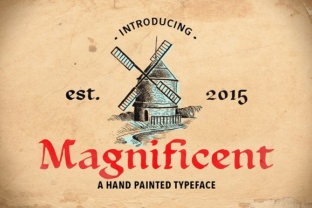
In a world saturated with digital typefaces, there is something undeniably compelling about a font that carries the mark of human hand. Magnificent is exactly that—a hand-made font created with an ink-pen, resulting in an authentic retro look that immediately sets it apart from mechanically perfect alternatives. But beyond its aesthetic appeal, Magnificent offers practical value for professionals and creators who understand the role of typography in communication. This article explores what Magnificent is, how it fits into real-world workflows, and how you can integrate it seamlessly into your projects—whether you are designing a brand identity, crafting educational materials, or building a personal project.
What Makes Magnificent Unique?
At its core, Magnificent is a testament to craft. Each character was drawn by hand using an ink-pen, which gives the font subtle irregularities in stroke thickness, curvature, and spacing. These imperfections are not flaws; they are features that evoke nostalgia and authenticity. The retro look harkens back to mid-20th-century design, when hand-lettering was the norm. This makes Magnificent particularly effective for projects that require a personal, human touch—such as vintage-themed branding, invitations, or editorial headers.
Unlike many retro fonts that are digitally simulated, Magnificent retains the organic texture of actual ink on paper. This quality can add depth to both print and digital media, helping your work stand out in a crowded visual landscape. However, its hand-made nature also means that it is best used thoughtfully, with consideration for legibility and context. Understanding these nuances is the first step to integrating Magnificent into your processes.
Integrating Magnificent into Your Workflow
Typography is rarely an isolated decision. It interacts with layout, color, imagery, and overall brand tone. Magnificent can be incorporated at multiple stages of a project, depending on your goals and workflow.
Before the Project: Planning and Selection
Choosing a font like Magnificent should be deliberate. Before you start designing, consider the project’s personality. Is it warm and nostalgic? Does it need to feel trustworthy and handcrafted? Magnificent excels in contexts where authenticity is valued—such as a coffee shop menu, a boutique logo, or a personal blog header. During the planning phase, evaluate how Magnificent will interact with other fonts. Because of its distinct hand-made look, it pairs well with clean sans-serif or simple serif fonts to create contrast without clutter. For example, use Magnificent for headlines and a neutral font for body text to maintain readability.
Also, consider the medium. Magnificent may render differently on screen versus print. Test it in your target output—whether it's a website, PDF, or physical poster—to ensure the ink-pen texture translates as intended. Preparation here saves time during execution.
During the Design Process: Implementation
Once you have committed to Magnificent, focus on how it is used within the design. Because its characters are hand-drawn, some letters may have unusual spacing or ligatures. Adjust kerning manually if your software allows it, especially for larger sizes where inconsistencies become more noticeable. In headings and logos, Magnificent can be used at larger point sizes to fully showcase its texture and retro charm. For subheadings, consider using a lighter weight or complementing font to maintain hierarchy.
In digital contexts, Magnificent works well for accent elements—like pull quotes, buttons, or decorative titles. Avoid using it for long body text, as the hand-made irregularities can reduce legibility over extended passages. Instead, reserve it for moments that need emphasis. This strategic use ensures that Magnificent enhances rather than overwhelms your design.
After Completion: Review and Consistency
After your project is published, review how Magnificent performs across different platforms or print runs. Check for any rendering issues, such as broken letters or incorrect font substitution. If you are using Magnificent in a website, ensure you have implemented web font formats (like WOFF2) and appropriate fallbacks for older browsers. For print, request proofs to verify that the ink texture appears as expected on the chosen paper stock.
Consistency is key. If Magnificent is part of a brand identity, maintain its use across all materials—from business cards to social media graphics—to build a cohesive visual identity. Document the font usage guidelines for yourself or your team to avoid drift over time.
Practical Implementation Tips
Working with a hand-made font like Magnificent requires some adjustments compared to standard typefaces. Here are actionable tips:
- Pair with Complementary Fonts: Use Magnificent for display purposes only. Pair it with a clean, readable font like Open Sans or Lato for body text. This creates hierarchy and ensures legibility.
- Adjust Tracking and Kerning: In design software, manually adjust letter spacing for specific wordmarks or logos. Hand-made fonts benefit from fine-tuning to balance their organic feel.
- Use Color Wisely: Magnificent’s retro look pairs well with muted or earthy color palettes. Avoid overly bright colors that might clash with its vintage tone.
- Consider Background: The ink-pen texture shows best on solid backgrounds or subtle textures. Avoid busy backgrounds that can compete with the font’s details.
- Test Legibility at Small Sizes: As a display font, Magnificent may lose impact when reduced below 16-18px. Use it at larger sizes to preserve its character.
These tips help you maintain the authenticity of Magnificent while ensuring your project remains functional and accessible.
Use Cases Across Different Fields
Magnificent is versatile enough for various applications, but its effectiveness depends on context. Here is how different professionals might use it.
For Marketers and Small Business Owners
Branding is where Magnificent shines. Its hand-made quality conveys craftsmanship and attention to detail—perfect for businesses like bakeries, artisanal shops, or creative services. Use it in logos, packaging, and promotional materials to differentiate your brand. For digital marketing, incorporate Magnificent in email headers or social media graphics to evoke nostalgia and trust. Avoid overuse; let it be a signature element rather than a default.
For Educators and Bloggers
Presentations and e-books benefit from Magnificent as a header font. It adds personality to slides or chapter titles, making content more engaging. Bloggers can use Magnificent for their site title or post banners to create a unique online presence. Since Magnificent has a retro feel, it works well for topics related to history, creativity, or personal development. Remember to pair it with a web-safe font for readability on various devices.
For Freelancers and Creatives
Freelance designers and artists often need to convey a personal brand. Magnificent can be part of a logo or portfolio header that reflects your handcrafted approach. For event materials like weddings or workshops, Magnificent adds a touch of elegance and authenticity. Creative projects such as zines or art prints also benefit from its ink-pen origins, as it complements other hand-drawn elements.
Working with Magnificent in Different Tools
Integrating Magnificent into your design stack is straightforward. Here are common platforms and how to use Magnificent effectively:
- Adobe Creative Suite (Illustrator, InDesign, Photoshop): Install Magnificent as a system font. In these tools, you can fine-tune kerning, create custom ligatures, and apply effects that enhance the retro look (like slight texture overlays). For print design, ensure color consistency with CMYK profiles.
- Canva: Upload Magnificent to Canva via the Brand Kit (if on a paid plan) or as a local file. Use it in social media templates or presentations. Because Canva has limited typography controls, keep designs simple to avoid spacing issues.
- Web Platforms (WordPress, Squarespace, Wix): Use CSS or platform options to embed Magnificent as a web font. Provide fallback fonts like Georgia or serif for users without the font installed. Test on multiple browsers and devices for cross-platform consistency.
- Office Tools (Microsoft Word, Google Docs): For internal drafts or simple documents, Magnificent can add flair to headings. However, share files as PDFs to preserve the font if others don’t have it installed.
Each tool has different capabilities, so adapt your workflow accordingly. For large-scale production, standardize the font usage across all team members to maintain consistency.
Long-Term Use and Maintenance
Using a hand-made font like Magnificent over time requires attention to licensing and updates. Purchase a license that covers your intended use—personal, commercial, or web. Keep track of version updates from the foundry to ensure you have access to extended characters or bug fixes. Store font files in a shared location like a cloud drive so they are accessible across projects. Periodically review your brand materials to ensure Magnificent is still rendering correctly as software evolves. This proactive approach prevents workflow disruptions.
Additionally, consider the longevity of the retro aesthetic. While trends come and go, the hand-made quality of Magnificent gives it a timeless appeal that can outlast fleeting styles. By using it sparingly and purposefully, you can maintain its impact over years of use.
Final Thoughts
Magnificent is more than a font; it is a design choice that communicates authenticity and craft. By understanding its strengths and limitations, you can integrate it into your workflow before, during, and after projects in a way that enhances your output. Whether you are a marketer building a brand, an educator creating presentations, or a freelancer developing a personal portfolio, Magnificent offers a distinctive tool for standing out. Plan its use carefully, test its performance, and maintain consistency across all touchpoints. With these practices, Magnificent will serve you well in delivering projects that feel genuine and memorable.