Maunikung: A Modern Typeface for Creative Projects
Selecting the right typeface often determines how an audience perceives a design. While many fonts serve practical purposes like readability in body text, others carry an aesthetic weight that shapes the tone of a project. Maunikung enters this space as a stylish, modern typeface designed for those who prioritize creativity and visual distinction. This article offers a balanced evaluation of Maunikung, helping you decide whether it aligns with your design goals, workflow, and audience expectations.
What Is Maunikung?
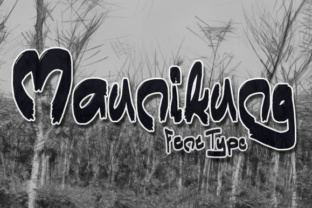
Maunikung is a display typeface characterized by contemporary letterforms, clean lines, and a distinctive personality that leans toward the artistic side of typography. Unlike utilitarian fonts built primarily for legibility at small sizes, Maunikung is crafted to make a statement. Its proportions, stroke contrasts, and overall structure reflect a modern sensibility that fits well in branding, editorial design, posters, and digital media where visual impact matters.
The font pulls from current typographic trends—geometric influences, subtle curves, and a balance between uniformity and organic feel. It is not a revival of an older style but rather a fresh interpretation of what a creative typeface can look like today. Understanding this origin helps ground expectations: Maunikung is not a workhorse font for long-form reading, but a tool for emphasis, identity, and expression.
Why Consider Maunikung? Exploring the Appeal
Interest in Maunikung typically arises from a need for a typeface that communicates originality and contemporary taste. Below are the primary reasons designers, marketers, and content creators might evaluate this font.
Creative Expression Without Sacrificing Readability
Many decorative fonts compromise legibility in pursuit of style. Maunikung attempts to balance both. Its letterforms remain clear even when scaled up for headlines or scaled down for subheadings within a layout. This makes it suitable for projects where you want a creative edge but cannot afford to confuse the viewer. The font allows you to inject personality while keeping the message accessible.
Modern Aesthetic for Branding and Identity
Brands that position themselves as innovative, youthful, or design-forward often require typography that reflects those values. Maunikung offers a contemporary look that avoids feeling dated. Its clean geometry and moderate character widths give it a versatile yet distinctive appearance. For logos, business cards, or website headers, it can act as a visual anchor that signals creativity and attention to detail.
Unique Character for Standout Projects
In a crowded visual landscape, differentiation matters. Maunikung provides a recognizable silhouette that can help a design stand out. Whether used in a magazine spread, event poster, or social media graphic, the typeface draws attention without resorting to gimmicks. It walks a line between being unusual enough to be memorable and restrained enough to be professional.
Benefits and Tradeoffs of Using Maunikung
No typeface is universally perfect. Evaluating Maunikung requires an honest look at its strengths and its limitations relative to your specific project.
Benefits
- Strong visual personality: Maunikung brings a distinctive character that generic sans-serifs or serifs cannot match. It adds a layer of intentionality to your design.
- Clear hierarchy creation: Because of its bold presence, Maunikung works well for establishing contrast in layouts. Combined with a neutral body font, it can easily guide the viewer’s eye to key messages.
- Broad contextual fit: Despite its creative style, Maunikung adapts to various media—print, digital, motion graphics, and environmental design. Its consistent weight distribution and clean edges translate well across formats.
- Conversation starter: Projects using unique typefaces often spark curiosity. Maunikung can contribute to a memorable user experience and reinforce brand recall.
Tradeoffs and Considerations
- Limited use as body text: Maunikung is not designed for extended paragraphs. At small sizes or dense text blocks, its stylistic features may hinder readability. Pairing it with a complementary text font is almost always necessary.
- Potential for stylistic fatigue: A highly distinctive typeface applied too broadly can overwhelm a design. Overusing Maunikung across all elements may dilute its impact. Restraint and strategic placement are key.
- License and availability: Depending on the source, Maunikung may require purchase or licensing for commercial use. Budget-conscious projects should verify costs upfront. Free alternatives exist but may lack the same refinement.
- Character set limitations: Some decorative fonts offer fewer language supports or glyph variants. Verify that Maunikung covers the characters, accents, or ligatures your project requires.
Expectations When Working with Maunikung
Adopting Maunikung into your workflow comes with certain expectations. First, you should anticipate spending time on pairings. A successful layout often combines Maunikung with a neutral, highly legible secondary typeface (such as a standard sans-serif or serif) to balance expression with readability. Second, testing at various sizes is essential. A headline that looks striking at 72 points may behave differently at 24 points or on a screen versus print. Finally, respect the font’s inherent style—trying to force Maunikung into a conservative or corporate context may produce a mismatch. Its strengths shine brightest when the design brief already leans toward the creative and contemporary.
Where Maunikung Excels: Strong Fit Situations
Maunikung is an excellent choice in scenarios where visual impact is a primary objective and the audience expects originality.
Creative Branding and Logos
If you are building a brand for a studio, agency, fashion label, or creative platform, Maunikung can serve as a core identity element. Its modern lines communicate that the brand is current and design-aware. It works well in logotypes, wordmarks, and hero typography where the typeface itself becomes a brand asset.
Editorial and Magazine Design
Feature headlines, pull quotes, and section openers in magazines or editorial layouts benefit from a typeface with flair. Maunikung adds energy to spreads while maintaining enough polish to feel editorial rather than chaotic. It pairs naturally with text fonts like Garamond, Helvetica, or system serifs for a high-contrast editorial look.
Event Posters and Promotional Materials
Concerts, exhibitions, festivals, and product launches often call for typography that captures attention quickly. Maunikung holds its own at large sizes and works well with bold colors or photographic backgrounds. Its readability at a distance makes it practical for outdoor posters and banners.
Digital Interfaces and Web Elements
For websites that prioritize personality—such as portfolio sites, creative agency pages, or product landing pages—Maunikung can be used for headings, call-to-action buttons, or hero text. Its clear forms remain crisp on screens, and its modern character aligns with current web design trends.
When Alternatives May Be Worth Considering
Despite its strengths, Maunikung is not the right fit for every situation. Evaluating alternatives is a healthy part of any typeface selection process.
Projects That Require Maximum Legibility at Small Sizes
If the design involves dense body copy, long articles, or small interface labels, Maunikung will likely underperform. Standard text-optimized fonts—such as Source Sans Pro, Noto Sans, or system fonts like Inter—offer superior readability at low point sizes and in paragraph form. For these cases, reserve Maunikung for headings and choose a specialized text face for the body.
Conservative or Regulated Industries
Corporate reports, legal documents, medical communications, or financial services often require a tone of authority and trustworthiness achieved through more neutral typography. Maunikung’s creative flair may feel out of place in such contexts. Traditional serifs (e.g., Times New Roman, Merriweather) or clean sans-serifs (e.g., Arial, Open Sans) are safer choices that align with audience expectations.
Multilingual or Extended Character Set Needs
If your project requires extensive language support—such as Central European, Cyrillic, or Vietnamese characters—confirm that the Maunikung font family includes these glyphs. Many display typefaces have limited coverage. Alternatives like Noto Sans Display or Fira Sans offer broader linguistic support while still providing modern aesthetics.
Budget-Constrained Projects
When there is no budget for font licensing, relying on free or open-source alternatives becomes necessary. In such cases, typefaces like Montserrat, Poppins, or Bebas Neue offer contemporary looks with zero cost and a large active user community. While they may not replicate Maunikung exactly, they provide a similar modern feel and can be paired creatively to achieve comparable results.
Practical Decision-Making Insights
Choosing Maunikung—or any typeface—should be a deliberate process. Start by listing the functional requirements of your project: what sizes will the font appear at, on what media, and for what audience? Then assess whether Maunikung meets those criteria or if its style would create friction. If your priority is building a unique visual identity and you can pair it with a neutral text font, Maunikung is a strong candidate. However, if your constraints lean toward ubiquity, readability at all sizes, or cost savings, it may be wise to explore alternatives.
To evaluate effectively, request a trial version or use the font in a mockup before committing. Test it in context with your actual layout, color palette, and secondary typeface. Observe how it reads at various scales and on different devices. This hands-on approach removes guesswork and ensures the typeface performs where it matters most.
Ultimately, the decision comes down to whether Maunikung solves a design problem or simply adds decoration. If it supports your communication goals and resonates with your target audience, it becomes a valuable tool. If it introduces complexity without clear purpose, a simpler font may serve better. Typography is not about personal taste alone—it is about fit, function, and meaning.
Maunikung offers a distinctive, modern voice for projects that value creativity and contemporary visual language. By weighing its benefits against its limitations and considering the specific context of your work, you can make an informed choice that elevates your design without compromising clarity or purpose.