Chains: A Modern Condensed Font Built for Impact
Some fonts whisper. Chains announces itself. If you have been searching for a condensed typeface that balances bold presence with everyday usability, this is one worth your attention. Designed for designers, marketers, and content creators who need modern typography that works hard across formats, Chains brings a distinct personality without demanding a steep learning curve. Let us explore what makes it tick, where it shines, and how you can put it to work in your next project.
What Chains Looks Like and Why That Matters
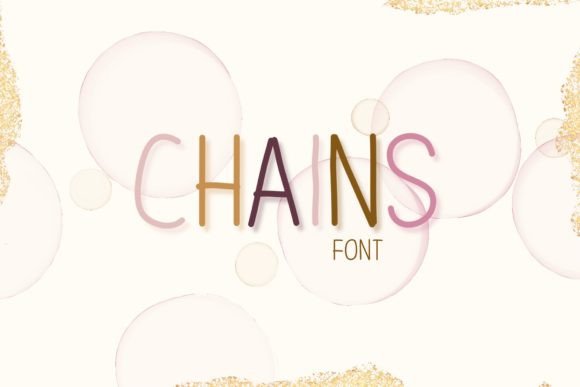
At first glance, Chains reads as confident and direct. It is a condensed font, meaning each character takes up less horizontal space than a standard typeface. That gives it a tall, narrow posture that feels both efficient and commanding. The letterforms are clean with minimal strokes, and the overall impression is one of deliberate restraint. This is not a font that tries to be decorative. It gets straight to the point.
The personality of Chains leans modern and slightly industrial. Think of a warehouse door with clean lines, or a city skyline seen through a train window. It has an edge, but it is not aggressive. The typeface carries a sense of purpose, which makes it suitable for projects where you need to communicate quickly and memorably. Whether used in logo design, editorial design, or social media graphics, it holds its own without overwhelming the message.
Visually, Chains sits comfortably in the display font category. It is built for moments when you want text to be noticed — headlines, banners, product names, and short-form content. Yet because it is condensed, it also solves a practical problem: fitting more characters into tight spaces without sacrificing readability. That combination of style and utility is rare, and it is one reason creative professionals keep coming back to it.
Where Chains Delivers Real Value Across Projects
Let us get specific about where this creative font performs best. Because Chains is condensed, it excels in any setting where horizontal space is limited but visual impact must remain high. Think packaging design where product names need to be legible from a distance, or web design headers where every pixel matters. It also works beautifully on social media graphics, especially for Instagram stories, YouTube thumbnails, and LinkedIn banners where bold typography stops the scroll.
For brand identity work, Chains brings a cohesive, no-nonsense feel. If your client runs a coffee roastery, a cycling apparel brand, or a tech startup, this font can anchor the visual system with authority. It pairs naturally with sans serif font choices for body text, and even works alongside certain serif font styles when you want contrast. The key is letting Chains take the heavy lifting in headlines and letting simpler fonts support the body copy.
In print, Chains is a reliable ally. Editorial design benefits from its compact nature — magazine titles, pull quotes, and section headers all gain a modern edge. Poster design is another natural fit. Because the font remains readable even at large sizes, it works for event announcements, product launches, and promotional materials.
For publishing pros, Chains offers a way to create visual hierarchy without needing multiple typefaces. Use it for chapter titles, subheadings, and callouts. The condensed structure means you can fit more words into a headline while keeping the layout clean. Bloggers and content creators will appreciate how it gives social media graphics a polished, professional look — no design degree required.
How Chains Influences Readability, Perception, and Engagement
Typography is never just about looking good. It shapes how people read, feel, and act. Chains influences visual hierarchy by naturally drawing the eye. Because the characters are condensed, they create dense visual blocks that stand out against looser body text. That contrast helps readers navigate content quickly. They see the headline, understand the structure, and decide where to focus.
From a brand perception standpoint, Chains communicates reliability and modernity. It does not try to be playful or ornate. It feels honest and direct. For small business owners and entrepreneurs building a brand, that tone is valuable. It says: we are serious, we are efficient, and we respect your time. When used consistently across logo design, web design, and printed materials, it builds brand identity that feels coherent and intentional.
Audience engagement benefits from the font's clarity. In a world of endless scrolling, text needs to be absorbed fast. Chains makes that easier. Its clean lines reduce cognitive load. Readers do not have to decode complex letterforms. They see the word, process it, and move on. That efficiency is especially important in social media graphics, advertising, and packaging design where attention spans are measured in seconds.
Readability is where some condensed fonts fall short. Chains handles it well because the letter spacing and proportions are balanced. Even at smaller sizes, the characters remain distinct. That means you can use it for shorter body text or captions without losing legibility. Of course, it is still a display font at heart, so reserve it for moments that need emphasis. But within that role, it performs reliably.
Choosing Chains: Practical Guidance for Real Projects
So how do you know if Chains is right for your project? Start by asking what the font needs to do. If you are designing a logo for a brand that values clarity and strength, Chains is a strong candidate. If you are building a website and need a headline font that works across devices, it fits. If you are working on packaging where shelf presence matters, it delivers.
Test it in context. Download the trial version or use it in your design software with real content. See how it looks at different sizes — large for posters, medium for subheadings, small for captions. Pay attention to how it interacts with other fonts. Chains pairs well with geometric sans serif font choices and neutral serif font styles. Avoid pairing it with another condensed font unless you are aiming for a very specific, dense look.
Check what styles are included. A good premium font often comes with multiple weights — light, regular, bold, maybe even black. More weights give you flexibility. They let you create visual hierarchy within the same typeface family, which simplifies brand identity work and keeps your designs cohesive. If Chains offers italics or alternate characters, those are bonuses for fine-tuning your layouts.
Commercial licensing is another consideration. If you are using Chains for client work, products, or any revenue-generating activity, make sure you have the right license. A commercial font license typically covers most professional uses, but check the terms for web embedding, app usage, and print runs. Small business owners and freelancers should look for licenses that allow multi-project use to avoid unexpected costs down the line.
Font Pairing Ideas and Design Observations
Pairing fonts can feel like guesswork, but a few principles help. Chain works best when contrasted with something lighter. A clean sans serif font like Open Sans, Roboto, or Montserrat in regular weight makes for a balanced combination. Use Chains for the headline and the sans serif for body text. The contrast in width and weight creates a clear visual hierarchy that guides the reader.
If you want a more editorial feel, try Chains with a classic serif font such as Playfair Display or Merriweather. The modern condensed look against traditional serifs produces tension that feels sophisticated. It works well for editorial design, blog headers, and brand identity systems that need both warmth and authority.
One observation from using Chains across projects: it performs especially well in monochrome or limited-color palettes. Because the letterforms are strong, they do not rely on color to communicate. Try it in black and white for a timeless feel, or add a single accent color to highlight key words. The font's structure carries the design, which makes layout decisions simpler.
Another practical note: avoid condensing Chains further in your software. Distorting the font horizontally will ruin its proportions and make it look forced. Instead, use the available weights to adjust density. If you need more compact text, scale the font size down rather than squashing the letterforms. The design team already optimized the spacing — trust their work.
Final Thoughts on Making Chains Work for You
Chains is one of those typeface options that fits comfortably into a working designer's toolkit. It is not a novelty font you use once and forget. It is a dependable, modern condensed font that solves real layout problems while adding visual interest. For designers, marketers, bloggers, publishers, and small business owners, it offers a straightforward path to stronger brand identity and more engaging content.
If you need a font that stands out without shouting, saves horizontal space without losing readability, and brings a clean contemporary feel to any project, Chains is worth adding to your design assets. Try it on a headline, a poster, or a social graphic. See how it changes the tone. You will likely find yourself reaching for it again and again.